Articles
Cashea, the banks and a generation that barely knows credit
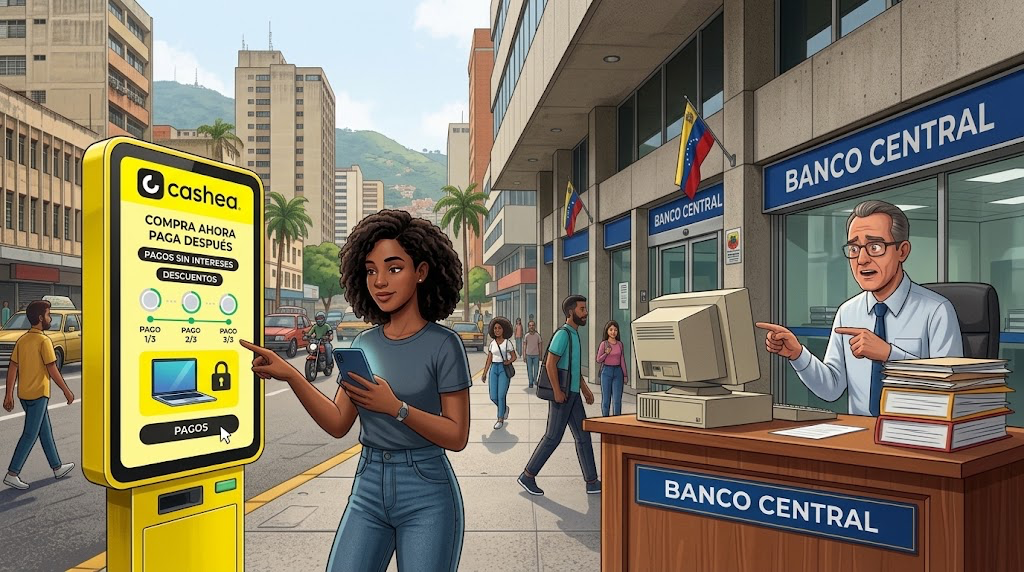
For many Venezuelans, taking out a loan stopped being an option years ago. According to the Federación Latinoamericana de Bancos (Felaban), in 2024 the country's bank loan portfolio equaled just 2% of GDP, compared with a regional average of 47.6%. Many of us under 30 grew up without being able to build a credit history of our own. Cashea saw that gap and turned it into a business: according to figures from the platform reported by the portal Banca y Negocios, the app has surpassed 8.6 million registered users, giving more than 40% of the country's adult population their first alternative source of financing.
In my view, that is the key to its success: it offers financing to people the banking system does not serve. According to the company itself, it already has more than 10 million accounts and about 40,000 affiliated merchants. Its installments are biweekly, a common payment schedule in the country, so payments are matched to income and buyers avoid paying everything at once. Merchants sell more and customers buy without running down their cash. That said, several small installments, added up, can weigh more than they seem if the service is not used with care.
Is Cashea a fair competitor for the banks? The answer is the favorite answer of economists (and of lawyers): it depends. Banks are gradually reviving lending: according to the Asociación Bancaria de Venezuela, their loan portfolio grew 46% between March 2025 and March 2026, although it still equals 3% of GDP. That credit goes mainly to people who are already part of the financial system. Each has a well-defined market. That banks have started offering car loans again, such as Banesco's loans with terms of up to 48 months, is a good sign, and for young adults it is something new: until now we had only seen it in our parents.
Could Cashea finance a car or even a home? I find that hard to see. Larger amounts and longer terms imply a much higher risk of default, and its model rests on merchants financing the purchases, as the company explained to Forbes. Even for the banks, with a 73% legal reserve requirement, mortgage credit remains scarce. But if living in Venezuela has taught us anything, it is that anything can happen. It is worth staying alert so we can seize the opportunity when it arrives.