Articles
How do US farm aid measures translate into Venezuelan household budgets?
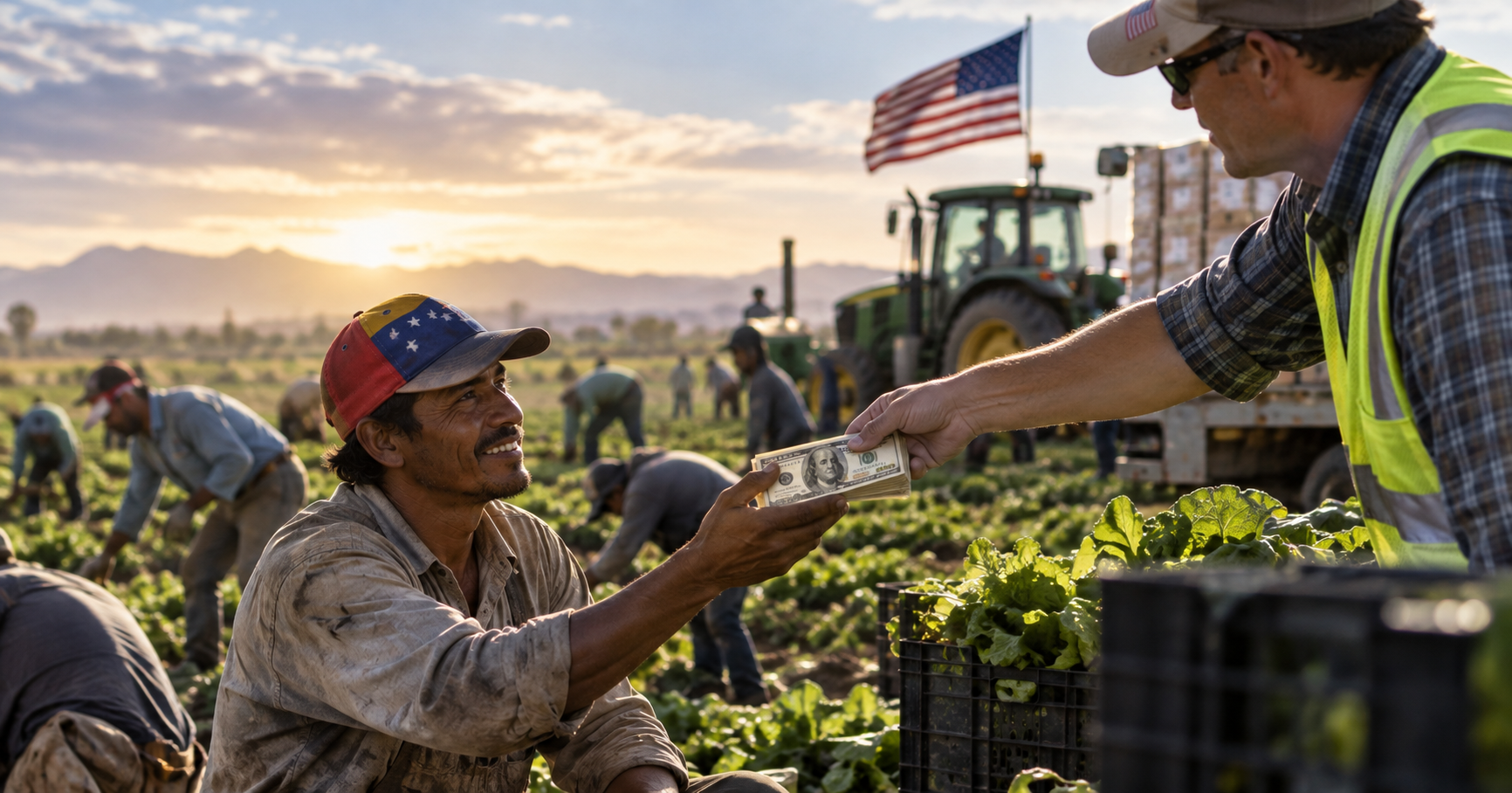
In practical terms, allowing Venezuelan companies to buy agricultural raw materials on credit means that local mills, processors and factories will no longer have to pay 100% of the cash up front to unload a ship full of grain.
This translates immediately into bakeries with a steady supply of wheat flour, arepas guaranteed on the household table, and a domestic food industry that stops running at half speed for lack of liquidity.
The strongest impact on the daily economy will be felt in the meat and deli aisle. Yellow corn and soybeans are the base of feed for chickens, pigs and cattle. By allowing Venezuelan producers to acquire this feed with flexible payment terms of 12 to 24 months, their rearing costs fall sharply.
On the street, the measure would in theory curb sudden price increases for chicken, egg cartons, cheese and pork, giving some relief to the family basic food basket.
For the agro-industrial entrepreneur, the measure works as a financial lung. Instead of spending all of their cash flow paying for cargoes up front, businesses can use the freed-up money to repair machinery, upgrade distribution trucks and hire local labor. In short: it means moving from scarcity or consumption at prohibitive prices to a market with stable supply, full shelves and far more predictable prices for the final consumer.