Articles
The barrel goes up and wages go down!
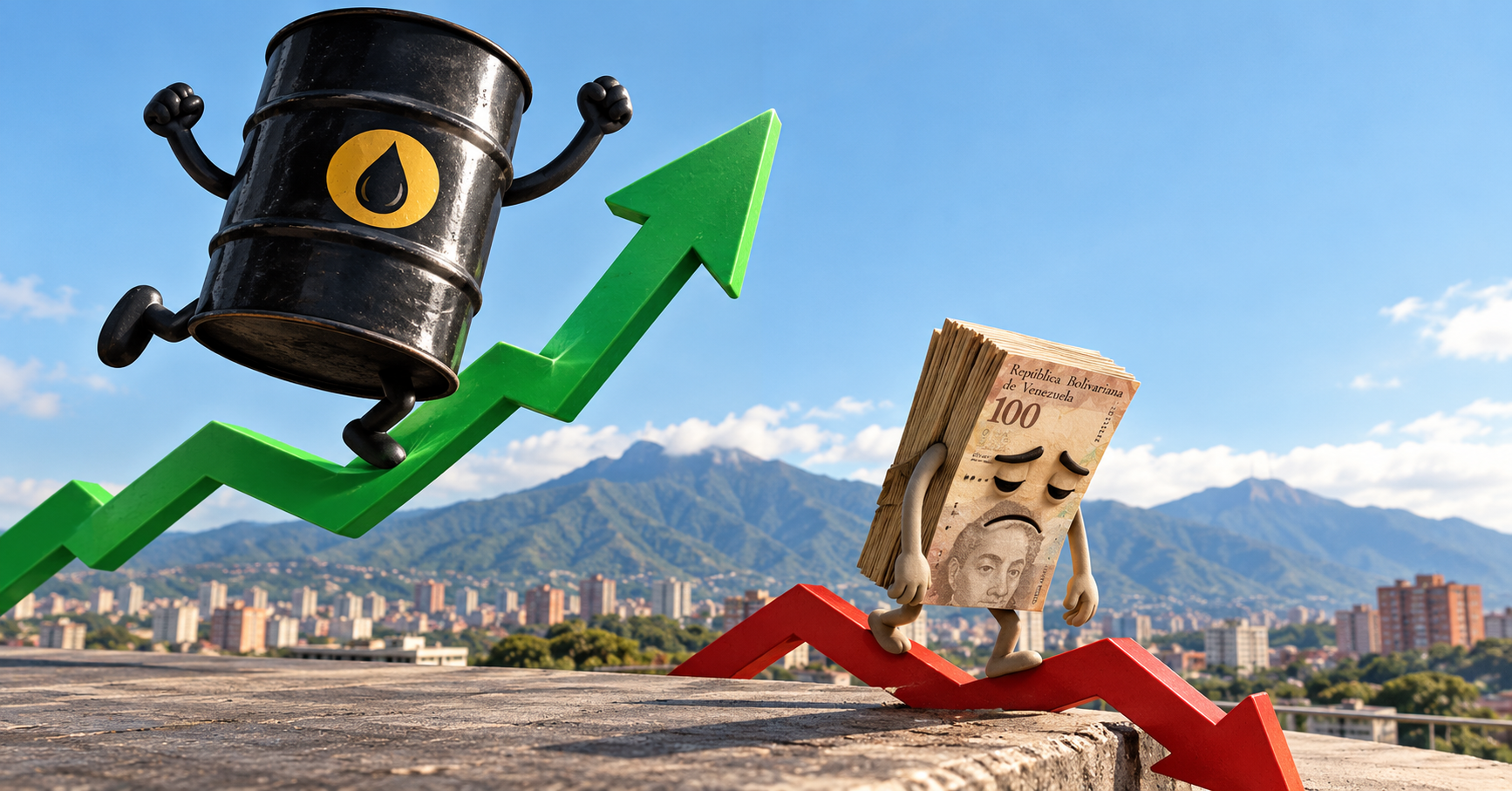
Although the military confrontation in the Middle East is taking place thousands of kilometers from our region, it ends up affecting us through higher prices for fuel, transport and food.
On October 8, Newsquawk reported that Brent futures reached an intraday high of US$105.48 a barrel. Attacks on oil tankers and difficulties in transit through the Strait of Hormuz have raised concern about disruption to the international crude supply chain.
For any of our families, the mechanism by which prices rise is easy to understand: if moving goods costs more, pressure builds on the prices of what people buy. How much of this reaches final prices depends on state policies on taxes, subsidies, competition and the exchange rate, but workers face a known disadvantage: their wages rarely adjust as quickly as the price of a barrel rises.
For Venezuela and perhaps now Guyana, countries that are essentially hydrocarbon producers, expensive oil can mean extra revenue and some immediate fiscal relief. However, for the rest of the countries, higher crude prices are a blow to the national budget. Even for Latin American countries with greater oil output, rising crude prices can generate inflationary pressures through more expensive imported intermediate and final goods.
Latin American countries must work hard on industrializing their economies in order to become less dependent on imports and less vulnerable to shocks caused by volatile oil prices.