Articles
The new reactionary populism in Latin America
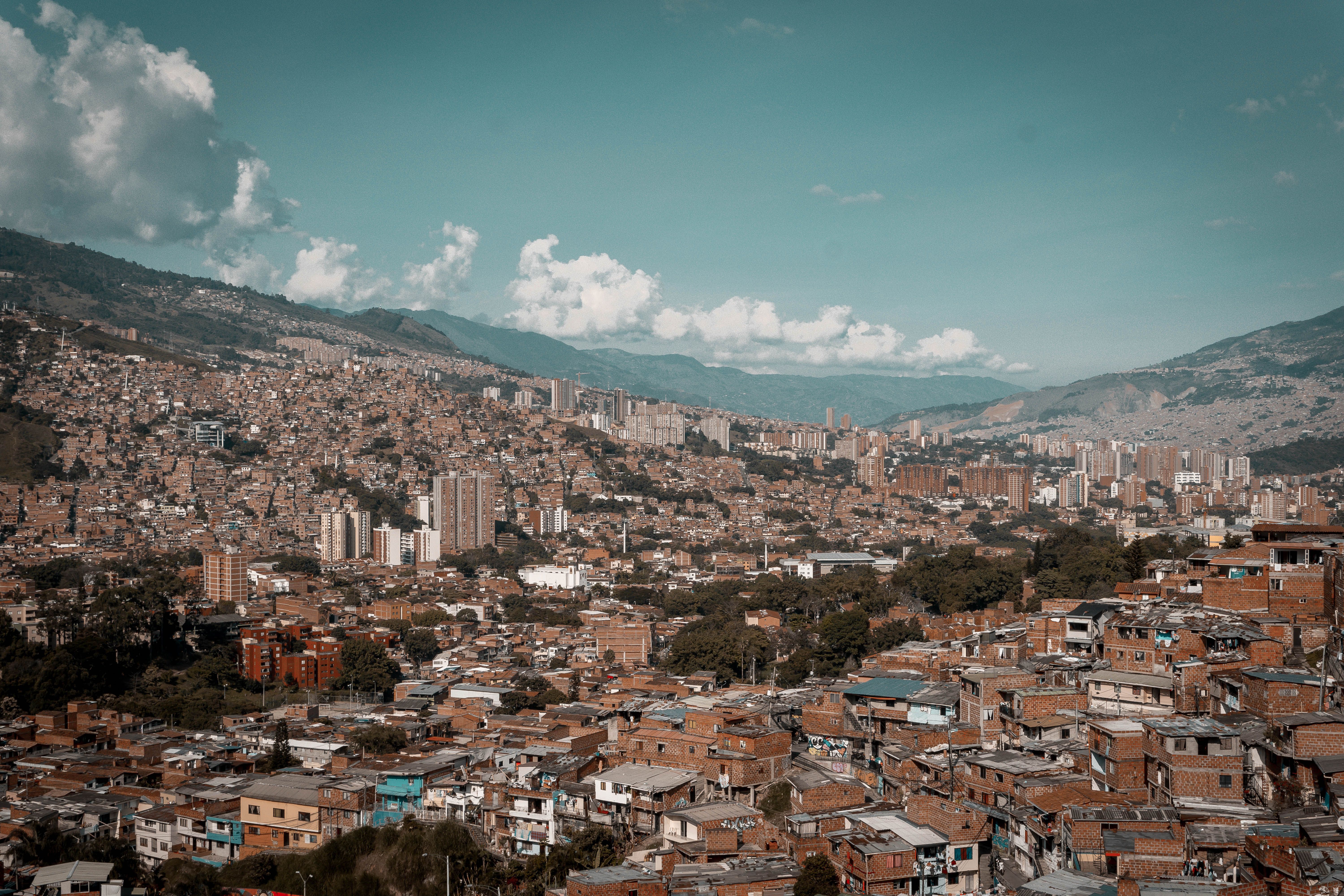
Latin America finds itself once again at one of its many political turning points...
In recent weeks, the electoral landscape and the ideological realignment of the region have set off alarms: we are facing the rapid rise of a populist and reactionary right that promises economic miracles and absolute order in exchange for sacrificing democratic institutions and social equity. It is worth clarifying this upfront to avoid biased readings of our opinion: We are well aware that the Latin American left has not been a model of institutionality or social equity either.
This new surge of the right in the region does not come out of nowhere. Citizen frustration over crime, economic stagnation and the failure of governments to close inequality gaps has created the perfect breeding ground. Yet the prescriptions of the new conservative wave are unworkable and have repeatedly shown their structural shortcomings. They aim to convince us that progress requires privatizing common goods, dismantling environmental controls, weakening labor rights and giving speculative capital free rein under the dogma of fiscal austerity.
The history of our continent has already tested this model, with deplorable results. In Augusto Pinochet's Chile, the extreme deregulation promoted by the Chicago Boys ended in the devastating banking crisis of 1982, when the state had to rescue the private sector while unemployment exceeded 20%. In the Argentina of the military junta (1976–1983), a program of reckless opening and borrowing dismantled the productive apparatus and plunged the country into hyperinflation. Decades later, in Bolivia in 2003, the insistence on privatizing strategic resources by then-president Gonzalo Sánchez de Lozada triggered the Gas War, which collapsed democratic governability.
The mirage of right-wing populism appeals to fear, but its executive decisions (freezing university budgets, privatizing infrastructure and strategic companies, and granting excessive tax exemptions to large corporations) decapitalize the state, undermine sovereignty and push millions of workers into informality.
Added to this failed economic scheme is the dangerous regression on human rights that characterizes the emerging right. Today we see how the promise of "iron fist" policies translates into the indefinite suspension of constitutional guarantees, the trampling of due process and mass arbitrary detentions. Recent experience bears this out: the interim government of Jeanine Áñez in Bolivia (2019–2020) resorted to criminal immunity for the armed forces, leading to tragic human rights violations in Sacaba and Senkata. In Jair Bolsonaro's Brazil (2019–2022), contempt for institutions combined with health negligence during the pandemic and the dismantling of protections for Indigenous peoples. The same can be said of the arbitrary detentions of “gang members” ordered by Bukele in El Salvador, which, while an apparent “acute remedy” for the country's insecurity, have resulted in 2% of the population being in prison. Yes, you read that right: 2%, ten times more than in any other country in the region and twenty times more than in any consolidated economy in the world.
Citizen security is not built by destroying the rule of law or trampling basic freedoms. Lasting peace requires a present state that combines institutional intelligence with social inclusion and the creation of opportunities for young people.
The challenge for progressive political movements is no small one. Denouncing reactionary authoritarianism is not enough; it is urgent to build a solid, efficient and deeply democratic economic alternative that meets the immediate needs of ordinary people's pockets without losing sight of sustainable development in the long term. The region needs industrialization with added value, a just energy transition and progressive taxation.
Latin America does not need caudillos who promise to set the state on fire so they can hand it over to the free market or to external hegemonic powers. The region demands more democracy, greater integration and an economy that serves the majority.
Faced with the conservative tide, the response must not be retreat, but the boldness to build shared prosperity, where economic freedom is never achieved at the expense of social justice.