Articles
Exporting human beings is not a sustainable economic model for Guatemala
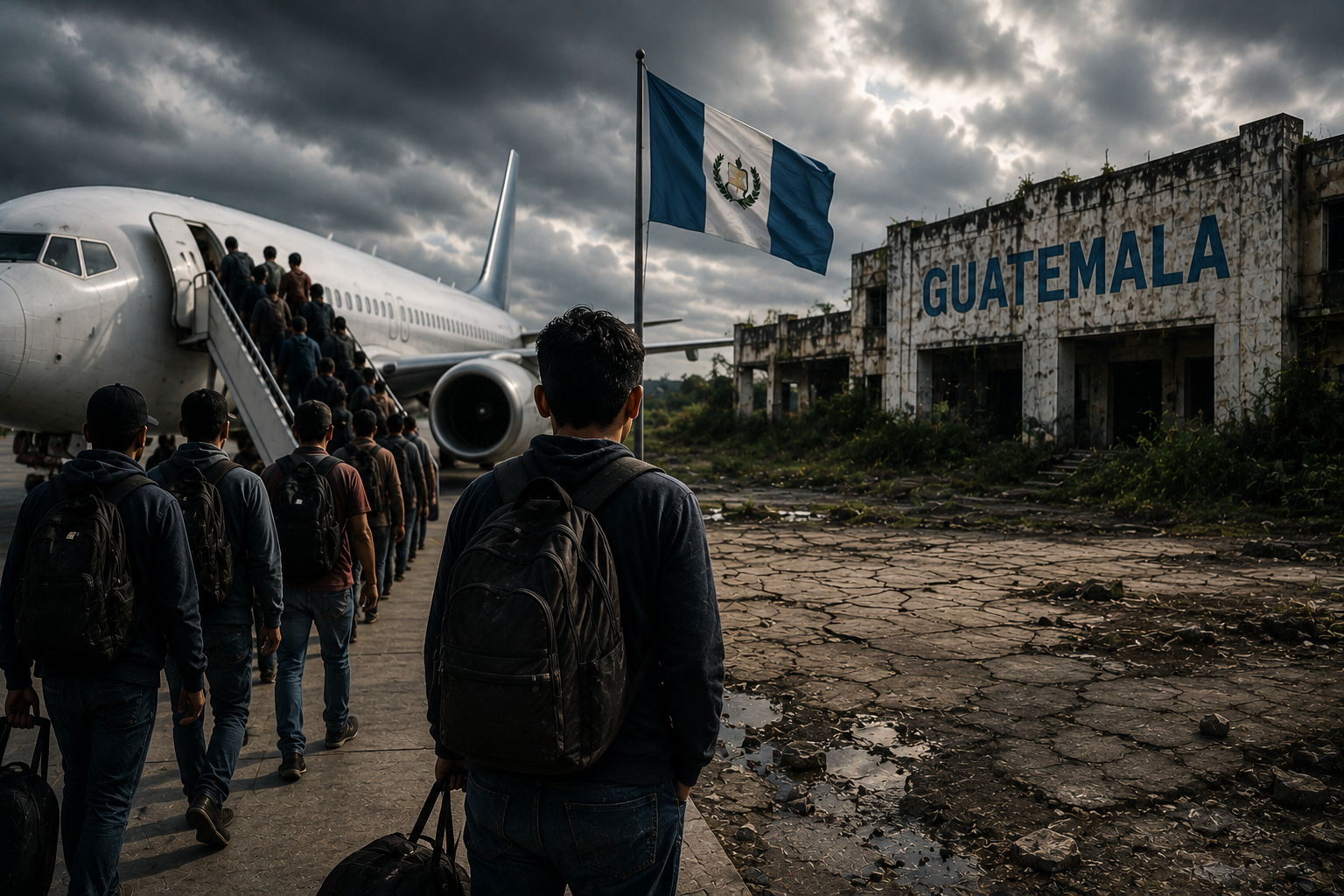
Presenting the fact that family remittance income has reached USD 14.2 billion, more than 22% of Guatemala's GDP, as a macroeconomic achievement is a painful display of state cynicism.
Every dollar that comes in through bank counters in the departments of the interior represents the story of a young person who had to flee their land for lack of opportunities.
This massive injection of foreign currency generates excess liquidity in the private banking system, which artificially appreciates the exchange rate of the quetzal and makes the basic food basket more expensive in the domestic market, eroding the competitiveness of small vegetable farmers.
The abundance of dollars in bank vaults does not translate into low-interest loans for local agricultural production; on the contrary, it finances consumer credit for imported goods, deepening external dependence.
Turning the systematic expulsion of its own population into the main source of foreign currency to sustain private consumption is a human tragedy and a sentence to national productive stagnation.
Guatemala needs to break with the inertia of a remittance economy by creating a public development bank for agriculture and industry that channels domestic savings toward generating decent jobs in the countryside.