Articles
Predatory tourism in Latin America
Predatory tourism in Latin America
SurEconomics staff, August 2026
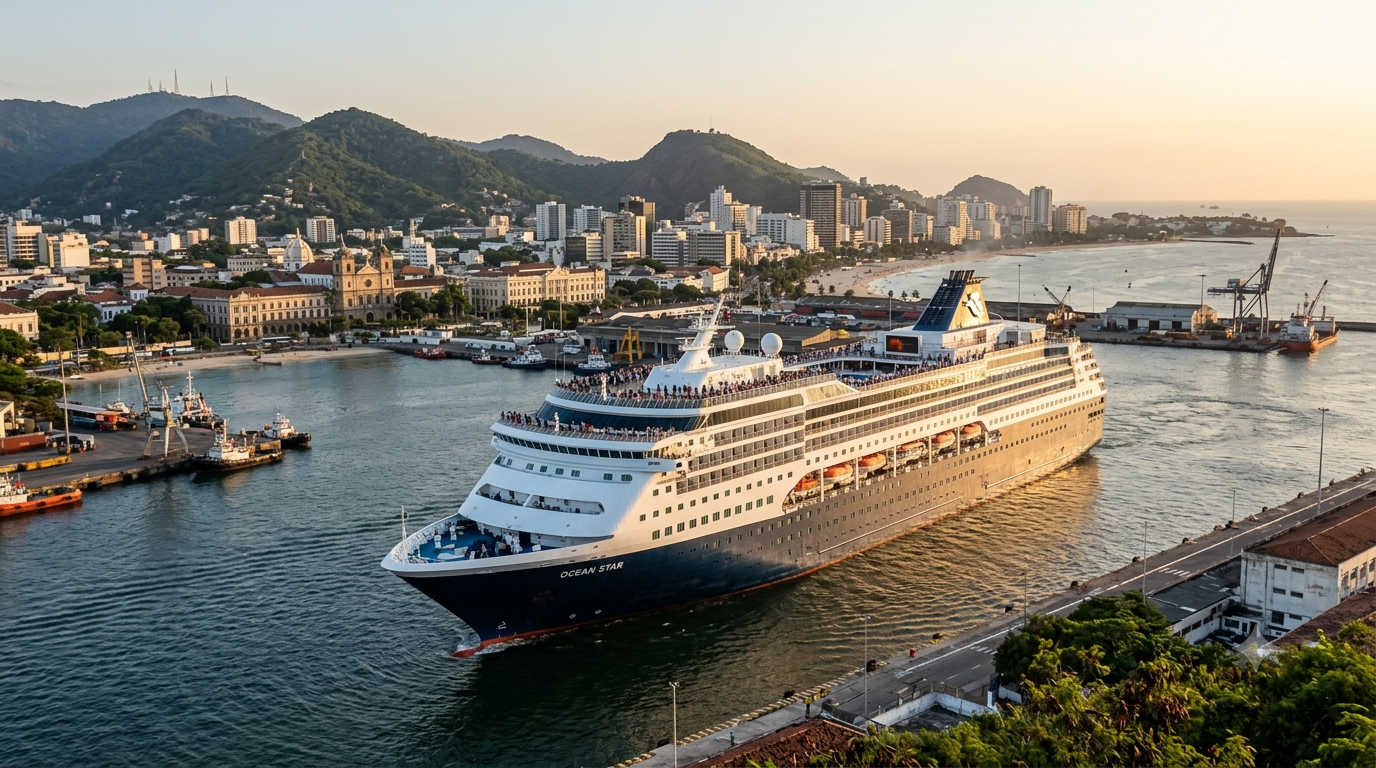
A giant cruise ship docking at a Caribbean island can consume in 24 hours the same amount of drinking water that a local community of 15,000 residents uses in an entire month.
Welcome to the paradox of mass tourism.
In 2025, the tourism industry injected more than $65 billion into the economies of the Caribbean, Mexico and the Andean region. However, for every $100 a tourist spends on an “all-inclusive” package, $75 ends up in the bank accounts of multinational hotel operators in Madrid or Miami (revenue leakage), and little of it contributes to the development of the communities around tourist areas.
The infrastructure figures are striking: while the hotel zones of Cancún or Cartagena enjoy fiber-optic connections and round-the-clock lighting, the outskirts where the waiters and cooks live show a 42% shortfall in access to drinking water.
In addition, the massive accumulation of plastic waste (more than 1.2 million tons a year generated by tourism activity along Latin American coasts) is outstripping the fiscal capacity of local municipalities to handle environmental sanitation, which represents a clear negative externality for the region.
Sources
· World Tourism Organization (UNWTO). Environmental and Social Impact of Mass Tourism in Latin America, 2025.
· El Espectador. "The Hidden Cost of Tourism in Latin America's Jewels," January 24, 2026.
· Grupo Animal. "Effects of Predatory Tourism on Local Economies," April 15, 2026.