Articles
Venezuela is ready for an outsider.
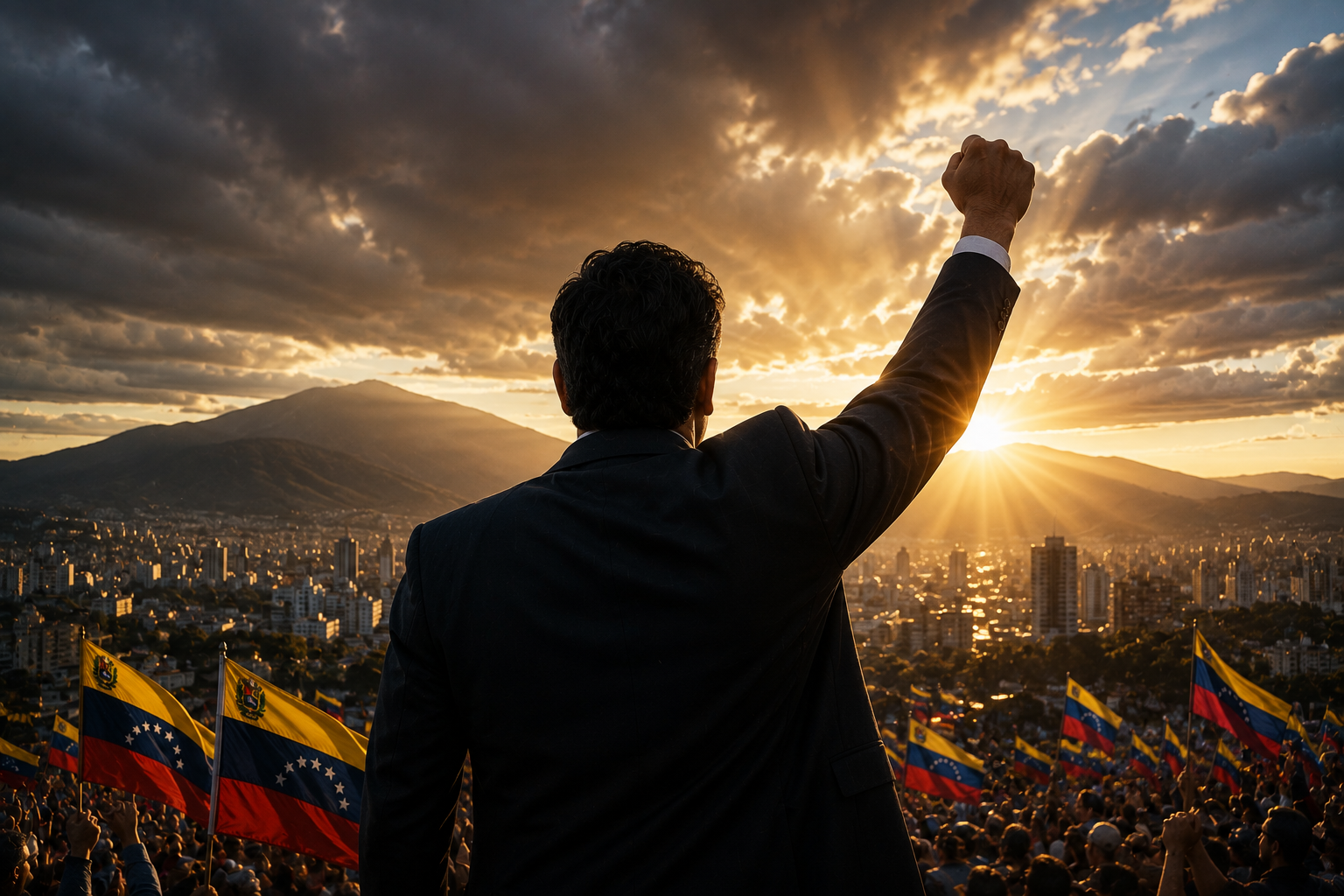
The current political situation offers a revealing diagnosis, as does the feeling of Venezuelans and the way society perceives the political class, both the ruling camp and the opposition. The latest study by the pollster DatinCorp, conducted on August 23 of this year with a sample of 1,200 people and a margin of error of 2.83%, describes an electorate that is disillusioned, with low party identification, focused on economic problems, and completely open to a negotiation that could unlock the problems affecting it. The offer of confrontation is ruled out.
50% of respondents say the path to change is through negotiation and dialogue, against 23% who say the opposite. 41% expect these negotiations to produce changes, 31% believe nothing will be achieved, and only 21% anticipate relevant changes for Venezuela. One of the most significant findings is that rejection of current leadership and existing parties stands at 59%, with respondents asserting that no political leader represents them; 69% say the current leadership is no good and that a new one is needed. The proposal of an outsider makes sense once again, especially after the restoration of relations with the United States.
65% of those surveyed identify as independent and unaligned, and 67% do not identify with any party as their own. 34% say the current political parties should disappear so that others can emerge, and 31% demand that they be transformed. Here we owe ourselves a reflection: Can a party whose leaders are still the same as in the 1990s be renewed? Is there political will for new generations to occupy spaces of representation?
These figures are an X-ray of how fragile the state of the political system and social perception of the parties are. The lack of trust, the wear and tear, and the gradual erosion of citizens' connection with political capacities are evident. It is not new that people want something new, after the long series of continued failures since the creation of the interim government of Juan Guaido and the high expectations of change that the opposition has generated in recent years. Since 2014, the population has moved from sadness and anger to frustration and exhaustion.
The economy remains the main headache: 51% of the population says economic problems such as inflation, incomes and unemployment require urgent solutions. 41% rate the country's situation as negative, while 57% expect their family to be better off within twelve months. An important finding of the survey is that the decision to emigrate is not as urgent as in recent years: 64% say that, even with the possibility, they prefer to stay in Venezuela. Is the opposition speaking to these people? I don't think so.
After analyzing these data, the proposal that a new political figure could rebuild citizens' trust in politics and lead in a different way from what we have known in recent years is reinforced. The rejection expressed is logical, justified and valid, after decades of promises and disappointments. This collective sentiment clearly shows that change is not solely a matter of replacing elites, of selecting people for a transition and taking the reins of the country in Miraflores. Social aspirations are looking for a unifying, proactive political actor with a clean record and a different approach to political construction. A look at the region obliges us to reflect on the importance of new figures, businesspeople, social leaders and agents of change who do not emerge from traditional party structures.
The challenge for political parties today is not to force credibility with the same practices, the same faces and the same communication. Modernization is not only a matter of aesthetics, media or communications; it is understanding the mindset of a population tired of watching the same movie for years.