Editorial
Venezuela's path toward investment and consumption
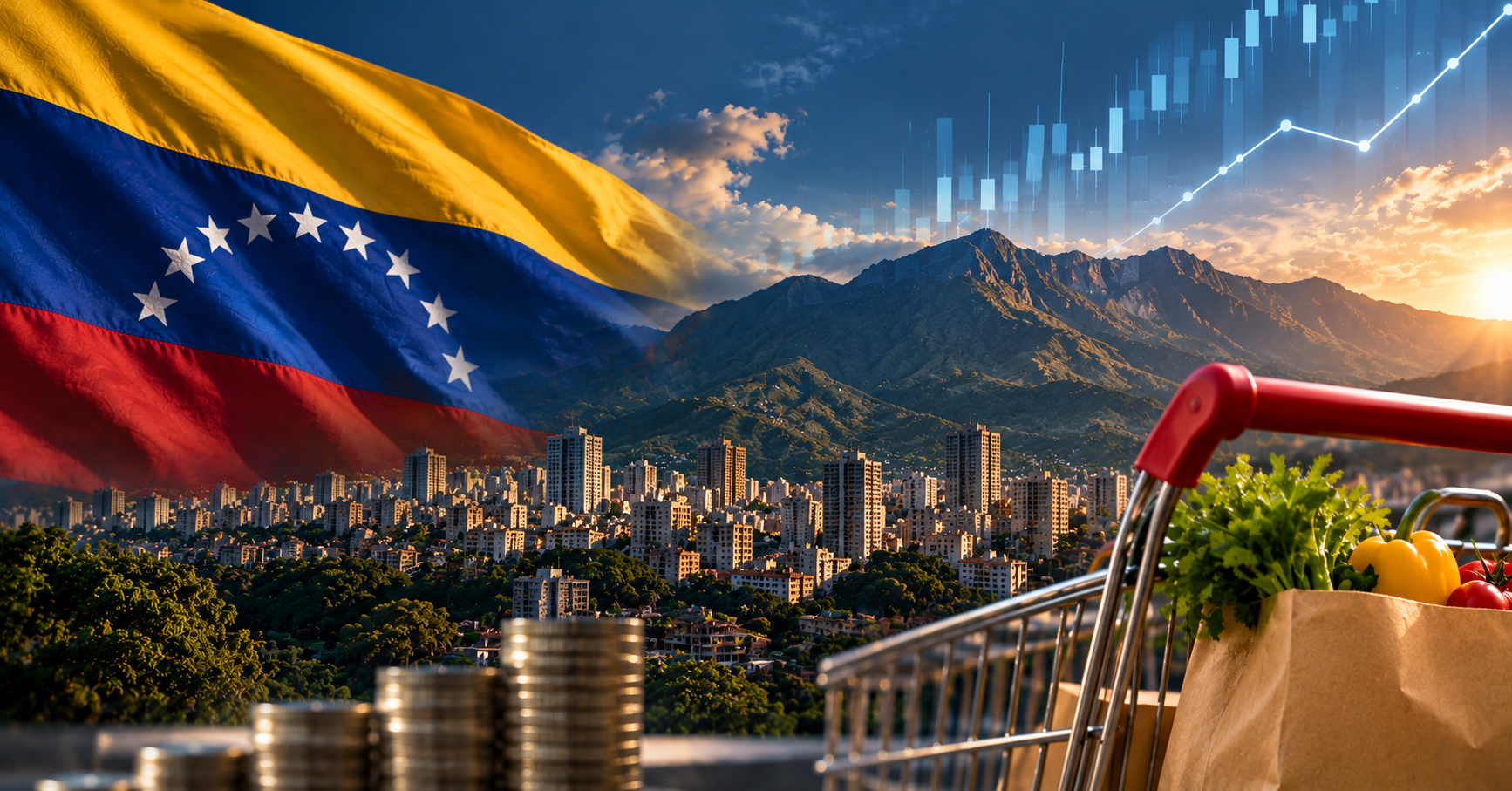
Venezuela stands at a historic crossroads where the debate over its economic model no longer allows for dogma or delay. For decades, the strangulation of market forces, regulatory discretion and distrust of private enterprise undermined the foundations of national production. Today, technical and public consensus points in one direction: the full opening of the economy as the only real mechanism to restore well-being to Venezuelans.
Economic competition is not an abstract concept of liberal theory; it is the most effective tool of consumer protection. When markets are open and free of state or privileged monopolies, companies are forced to compete for the citizen's preference. This healthy rivalry produces three immediate effects: affordable prices, greater variety of supply and a constant drive for innovation and quality. Without competition, the citizen is left at the mercy of scarcity, speculation or the mediocrity of a single supplier.
For competition to exist, however, the country requires legal certainty, unconditional respect for private property and the elimination of bureaucratic obstacles that stifle entrepreneurship. Economic freedomimplies that any Venezuelan, from the small shopkeeper to the large industrialist, can offer goods and services without seeking the permission of an inefficient regulatory apparatus. Opening the economy means trusting the talent and management capacity of society. Venezuela is prepared to take the great leap next year, 2027.
Rebuilding the national productive apparatus requires resources that exceed current domestic savings capacity. The arrival of foreign capital and massive private investment should not be seen as concessions, but as indispensable catalysts for creating jobs, modernizing infrastructure and introducing cutting-edge technologies. International capital goes where there are clear rules, stability and respect for the law; attracting it requires transforming the institutional environment to project solvency and confidence.
The ultimate goal of any pro-welfare reform must be the family and the individual. Consumption is not a macroeconomic frivolity; it is the expression of the citizen's power of choice over the fruits of his or her labor. When a country encourages investment and economic freedom, wages recover their purchasing power and the consumer stops being a passive subject dependent on subsidies to become the true arbiter of the market.
Economic opening in Venezuela admits no half measures. Committing to capital, competition and freedom is not an ideological choice but a pragmatic necessity for building a future of sustainable prosperity for all Venezuelans.