Editorial
Mexican nearshoring: state-of-the-art factories with no water or power in the bathrooms
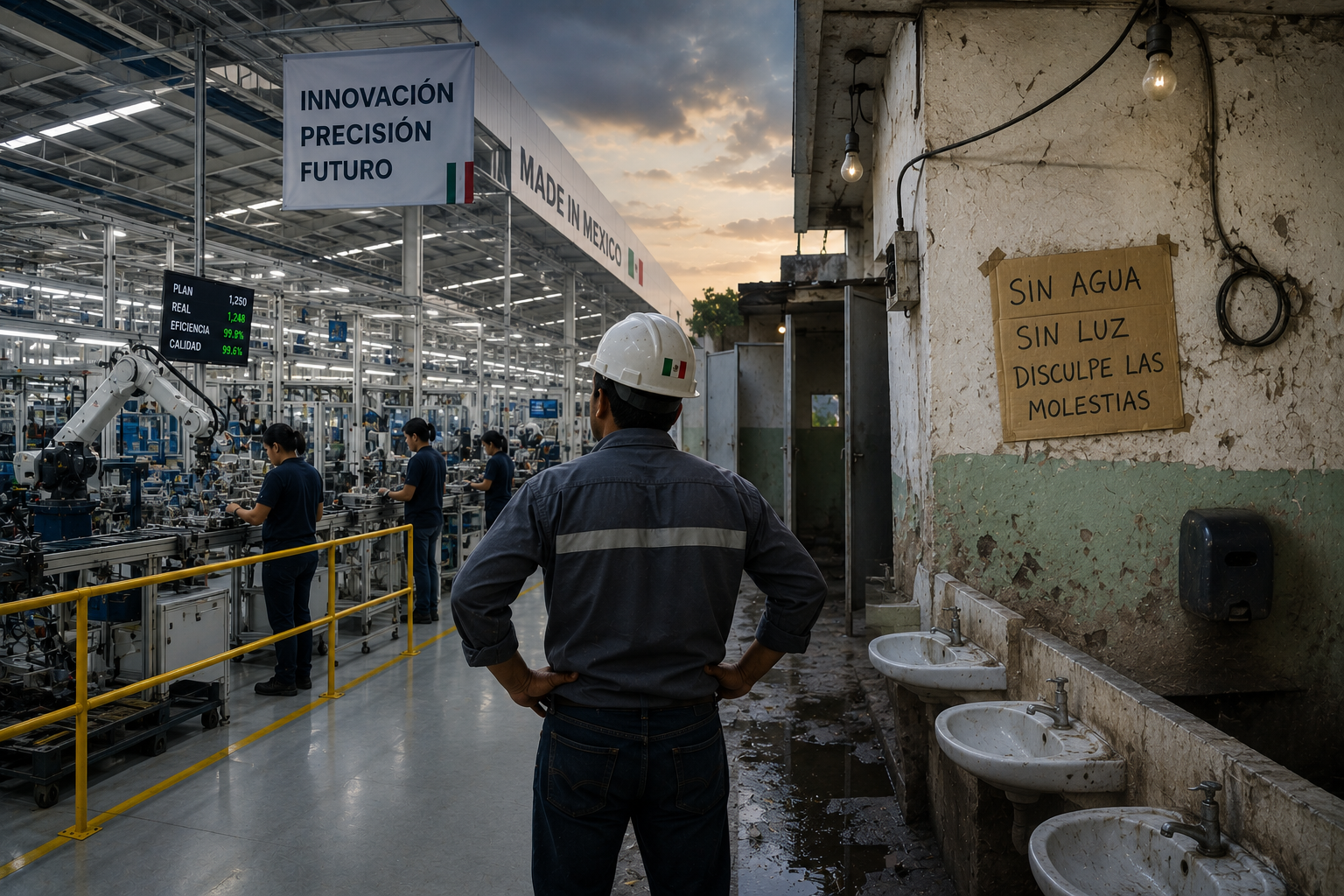
The buzzword at business cocktail parties in Mexico City is nearshoring, the industrial relocation of multinationals that are moving their plants from Asia to countries close to the United States to cut transportation costs and avoid geopolitical disputes. The official narrative promises an inexhaustible manna of dollars and jobs. Yet just four months before the key review of the rules of origin under the USMCA, the trade pact among Mexico, the United States and Canada that governs trilateral commerce, the illusion of nearshoring is beginning to collide spectacularly with the harsh reality of Mexico's infrastructure.
In strategic industrial parks in northern states such as Nuevo León and Coahuila, private investors are running into a small detail: there is not enough electricity to run the machines or water for manufacturing processes. The Federal Electricity Commission (CFE), the state-owned company in charge of generating and distributing power, projects an energy deficit of 12% in the industrial hubs, while more than 40% of border municipalities suffer severe drinking water shortages. Celebrating the arrival of giant maquiladora operators when working families have no water in their homes is not only an economic blunder but a social provocation.
The Mexican state cannot behave like a complacent host that hands over land, water resources and tax exemptions in exchange for precarious maquiladora wages. Nearshoring will only be worth it if it becomes a genuine state industrial policy that requires multinationals to transfer technology, build linkages with local suppliers and substantially raise real wages. Handing over the country's natural resources in exchange for 90% of the profits being repatriated to Wall Street is not modernization; it is the 21st-century version of the old colonial encomienda labor system.