Editorial
Petrodollars on the horizon: the real test of the Venezuelan oil deal
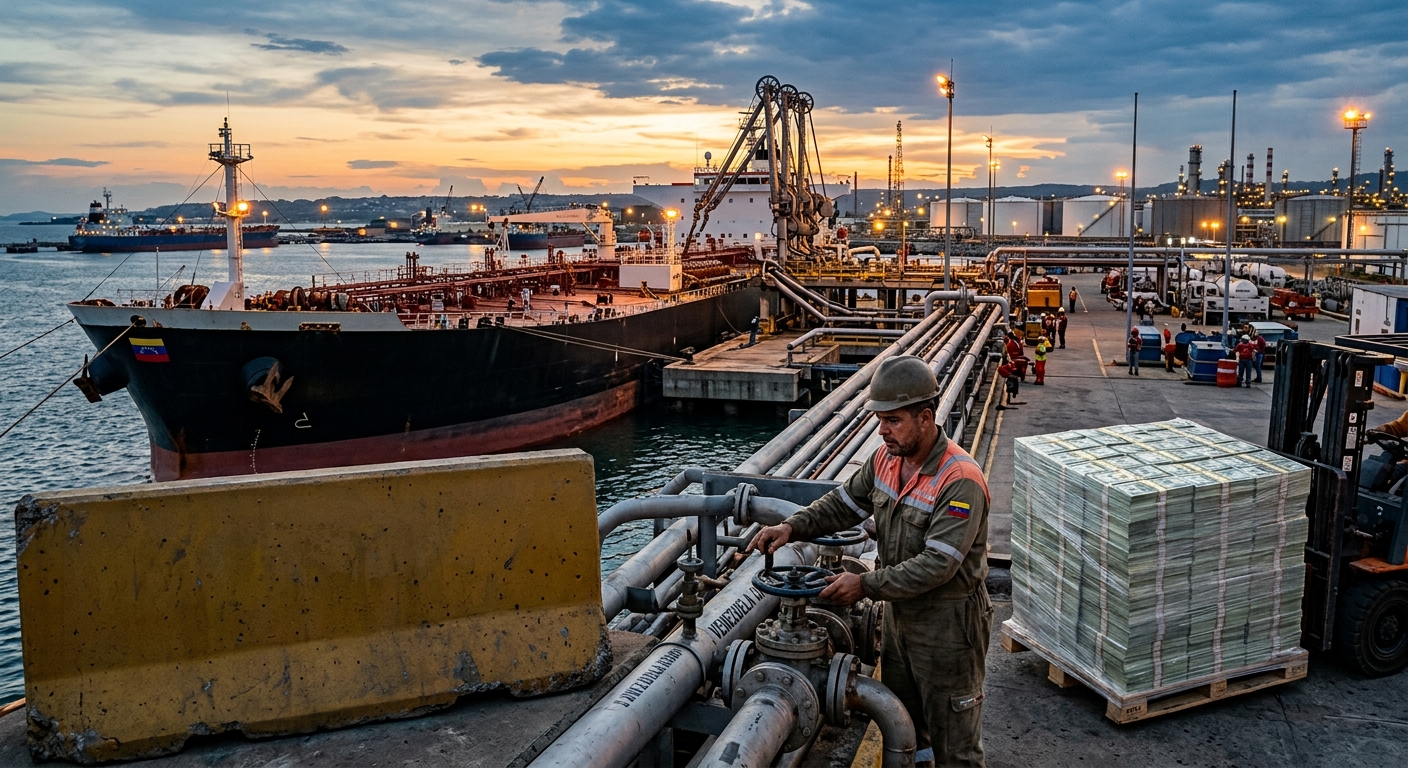
The recent oil agreement with the United States, detailed by the outlet Bitácora Económica, puts a dizzying figure on the table. According to official estimates presented by the Venezuelan administration and reported by the outlet, the deal will leave the Venezuelan state some $209,335 million, calculated on an estimated price of $65 per barrel, with a direct inflow of $19 for every barrel produced and sold. The goal is to exceed 1.5 million barrels per day over 25 years of production in 17 strategic fields, under a scheme that provides for royalties of 16% and an income tax of 34%.
We frankly acknowledge what this understanding resolves in the short term. Venezuela lacked the massive capital and the technical capacity needed to revive an industry that collapsed after years of sanctions and disinvestment. No economy can rebuild its hospitals, schools or social infrastructure on the ruin of its main source of foreign currency. The inflow of foreign investment and the reactivation of eight new undeveloped blocks provide the financial oxygen the country needs to come out of its coma.
The real danger, however, lies not in the barrels that leave the wells but in the institutional architecture through which those resources are managed. Latin American economic history, and that of Venezuela itself, offers a painful lesson. The massive and sudden inflow of foreign currency from primary exports appreciates the real exchange rate, making imports suddenly cheaper relative to domestically produced goods. This is the well-known Dutch disease, a perverse mechanism that destroys the competitiveness of national manufacturing and agriculture. We already lived through it during the high-price cycle between 2004 and 2012, when oil rentierism made it more profitable to import food than to grow it, leaving the country completely defenseless against later external shocks and opening the door to destructive hyperinflation and a historic collapse in gross domestic product.
To prevent this agreement from repeating the mistakes of the past, the answer is not to reject investment but to shield the economy through the sterilization of the resources. Petrodollars cannot finance current spending, superfluous imports or patronage networks that vanish when the barrel falls. They must be channeled strictly into fixed capital formation: rebuilding the national electricity grid, cleaning up river basins, modernizing ports, agricultural technology and technical education for the new generations. If it is cheaper to import a kilo of tomatoes than to grow it in the Andes, the model will have failed before it was consolidated.
The fundamental criticism is not aimed at any particular government but at the rentier model that has been repeating the same recipe for seventy years under administrations of every political stripe. Without a change in the structure of economic governance, any boom is merely a temporary reprieve. We demand radical transparency: the annual production curve and the fiscal destination of every dollar received should be published immediately. Without that verifiable accountability, no one can seriously judge whether this agreement sows development or simply finances a new illusion destined to fail.
Image generated with artificial intelligence.