News
Financial alarm in the U.S.: Treasury yields top 5%
Global financial markets reacted with concern to a significant move in U.S. debt.
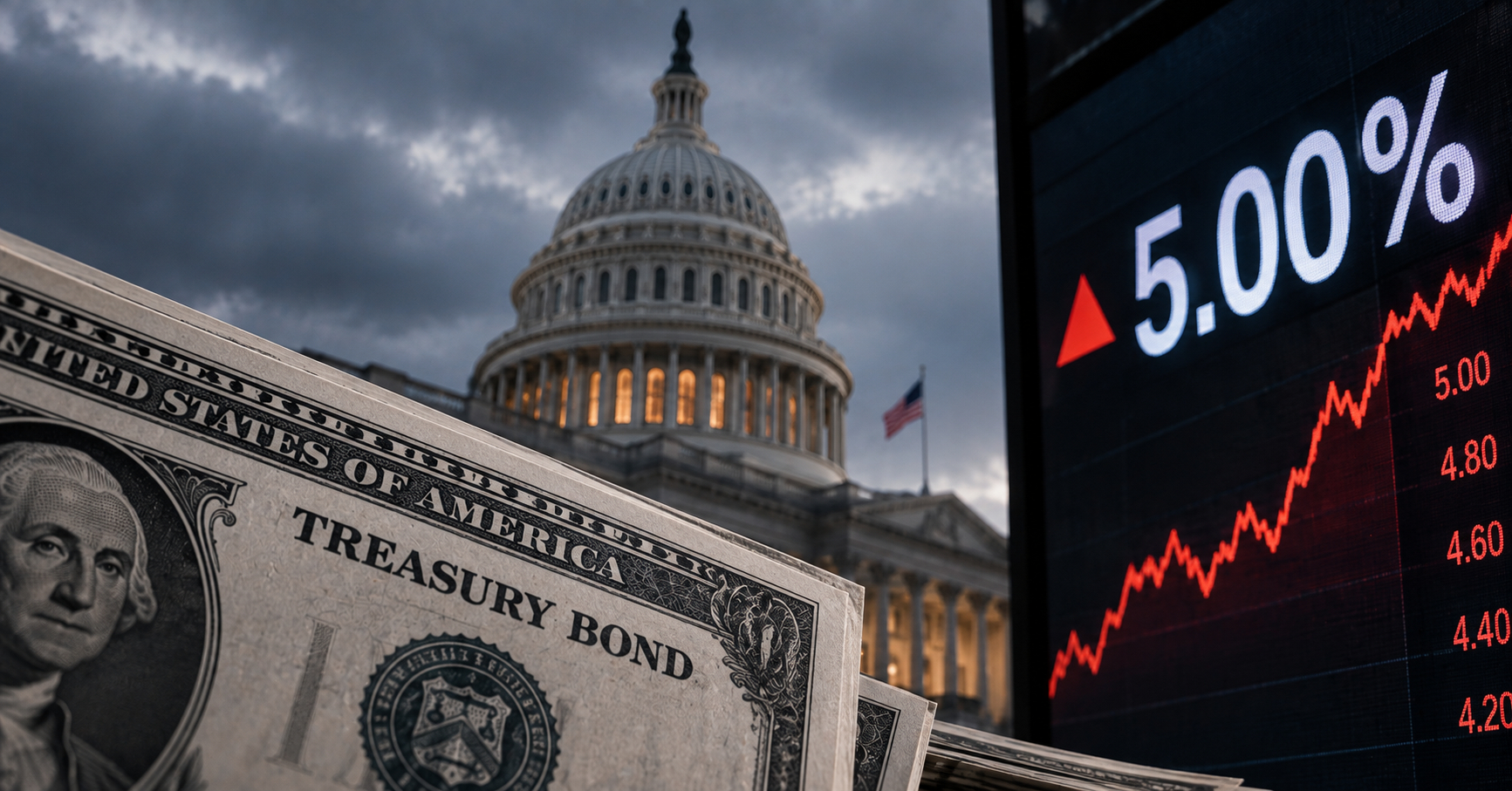
On September 14, 2026, global financial markets reacted with concern to a significant move in U.S. debt. According to the Argentine daily Ámbito, the yield on the 10-year Treasury note broke through the 5% threshold, reaching 5.01%. The event, which marks the first time the instrument has touched this key level since 2023, set off alarms in international financial centers.
Treasury bonds are debt securities issued by the U.S. government to finance its operations. Considered the safest assets in the world, their yields serve as the global benchmark interest rate. When this percentage rises, it means the market demands a higher return to lend money to Washington, which raises the cost of financing internationally.
The increase reflects expectations that the Federal Reserve will keep interest rates high for an extended period to contain inflation. As yields on U.S. bonds rise, the flow of global capital shifts, since investors prefer to shelter their funds in the safety of U.S. Treasuries rather than hold them in higher-risk emerging markets.
For the average person in Latin America, this phenomenon does not translate into a direct and immediate increase in local loan rates. The transmission mechanism is indirect: capital outflows toward the north depreciate local currencies against the dollar. To contain this devaluation and prevent a massive flight of foreign currency, the region's central banks are forced to raise their own benchmark interest rates, which ultimately makes consumer loans, mortgages and credit cards more expensive in local commerce.
In the coming weeks, analysts will focus on the reaction of the region's monetary authorities and on the stability of exchange rates. The persistence of high yields in Washington will continue to pressure the financial conditions of developing countries.