News
Latin America faces the challenge of financing mining for artificial intelligence and the energy transition
Latin America holds a key share of the critical minerals (such as copper, zinc and lithium) that the global expansion of artificial intelligence and the energy transition will demand.
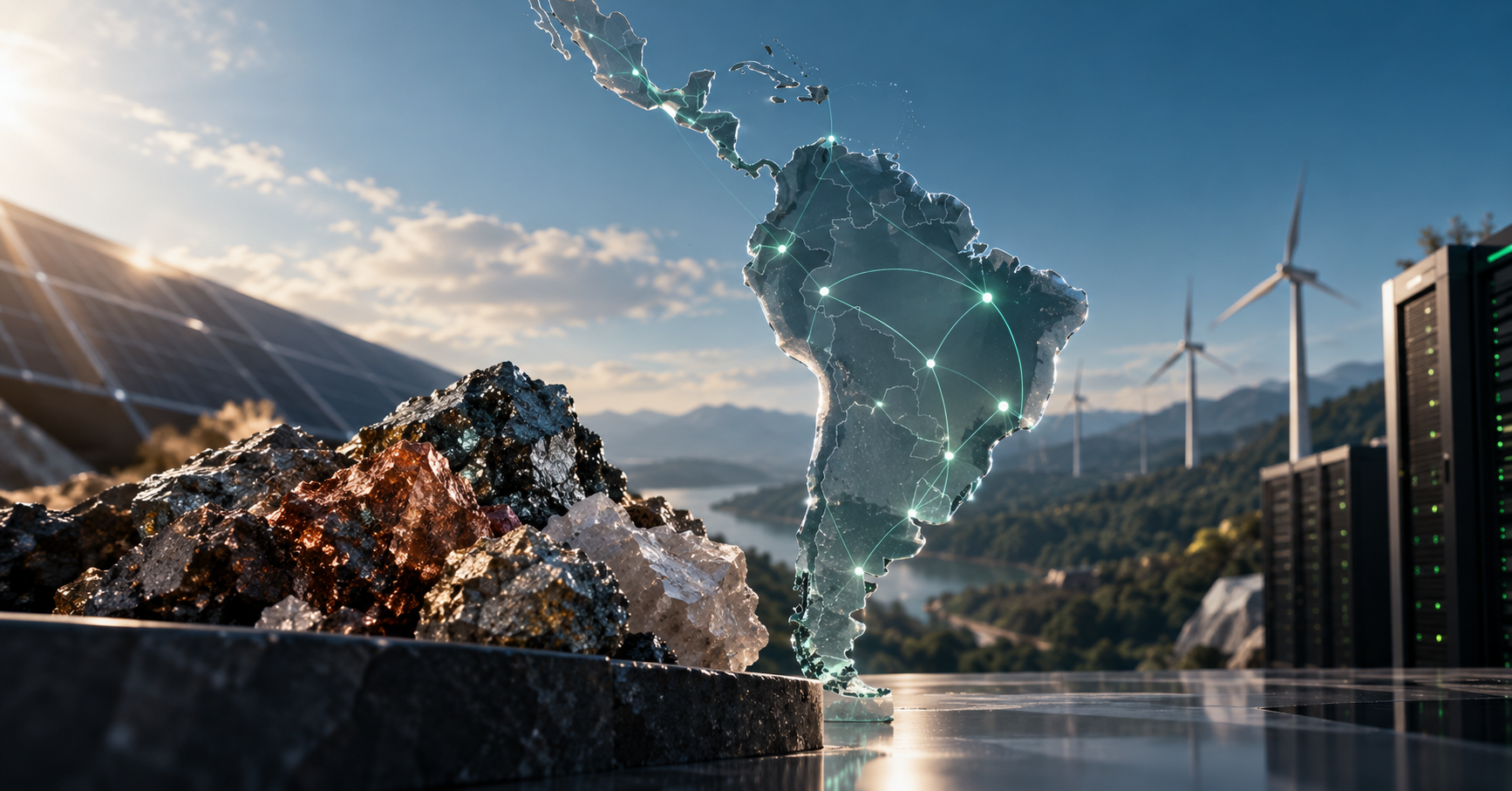
According to Bloomberg Línea, which reported it on its Instagram account on September 5, 2026, Latin America holds a key share of the critical minerals (such as copper, zinc and lithium) that the global expansion of artificial intelligence and the energy transition will demand. According to an analysis by the financial firm Citi cited by that outlet, the region faces the challenge of attracting the capital needed to develop new extraction and processing projects.
These minerals are the invisible engine of new technologies. Copper and zinc are essential for electricity transmission infrastructure and for the data centers that run artificial intelligence, while lithium is indispensable for energy storage batteries. However, launching a mine requires multibillion-dollar investments and years of planning, a process that depends directly on the financing conditions that countries can offer investors.
In this context, Chile's financial conditions are exceptional within the region. According to data updated as of January 1, 2026 by academic Aswath Damodaran of New York University (NYU Stern), Chile holds a sovereign rating of A2 from Moody's and a country risk premium of just 1.10%. This low level of risk significantly reduces the cost of credit for projects developed in its territory, facilitating the arrival of international capital.
However, this picture of stability is not the norm in the rest of the region. Most Latin American countries that hold reserves of these critical minerals face much higher risk premiums and less favorable credit ratings, which raises the cost of financing and hinders the viability of new deposits. This financing gap forces states to seek alternative mechanisms to attract investment without compromising their public resources.
In the coming months, it will be key to watch how governments in the region design their investment attraction policies and whether they manage to coordinate efforts to improve their collective financing conditions. Global demand for critical minerals will keep rising, but the real challenge for Latin America will be ensuring that the exploitation of these resources does not stop at the export of raw materials.