News
Cuba blames US blockade for stalling its economic reforms
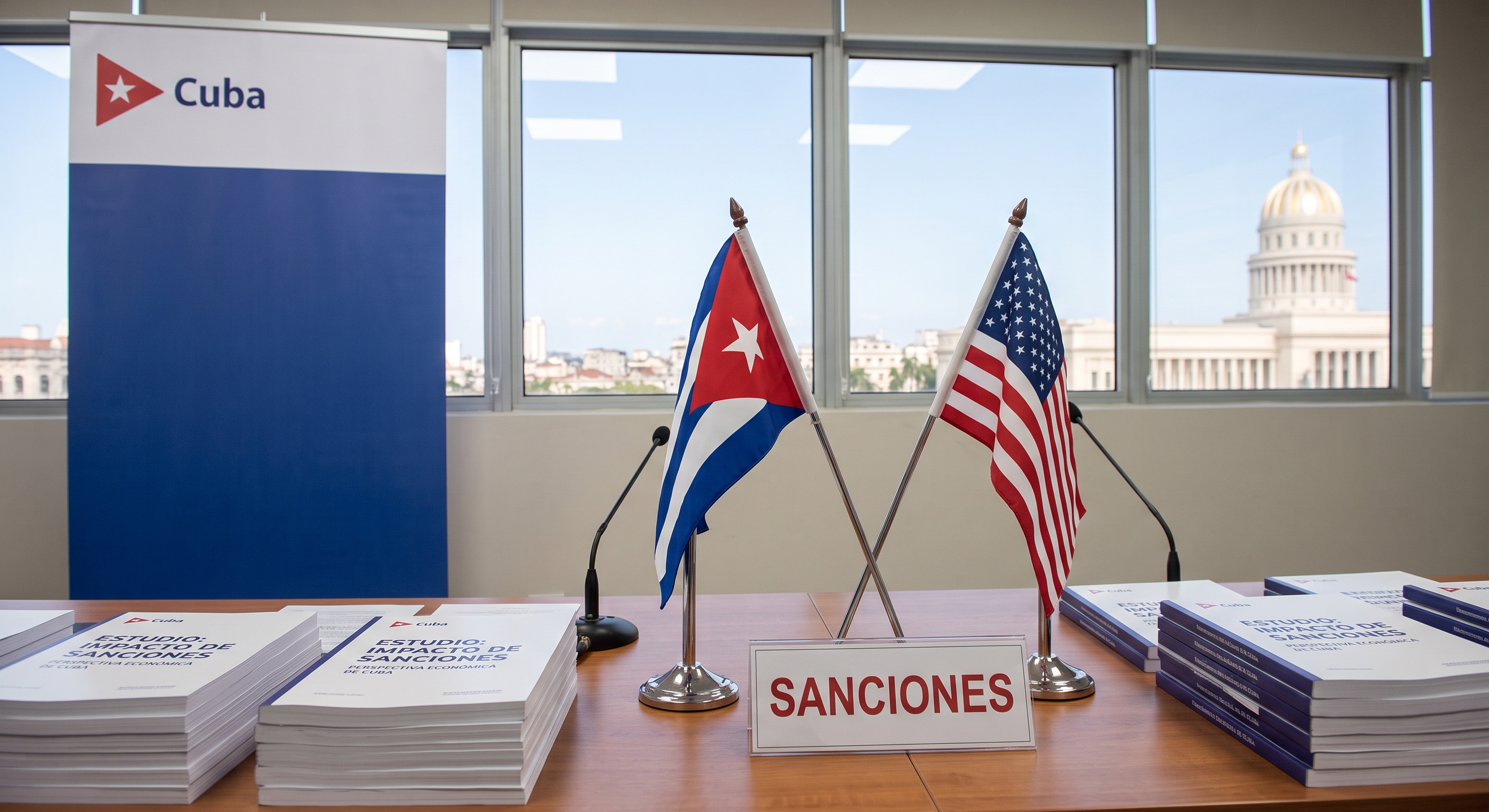
Cuba is in the midst of commercial and financial changes while it denounces that sanctions imposed by the United States are blocking its efforts to open the economy to private investment. According to an interview published by The Associated Press on August 21, 2026, Cuba's ambassador to the United Nations, Ernesto Soberón Guzmán, questioned whether the economic penalties will continue in the face of the recent openings promoted by Havana.
The pressure measures implemented from Washington, which include an oil blockade begun in January, have deepened fuel shortages, blackouts and the lack of basic supplies on the island. These operational difficulties affect daily stability and reduce the room for maneuver for any productive activity in the national territory.
In this context of financial restrictions, the US government sanctioned five state-owned companies in late June, three of them linked to the business conglomerate of the Revolutionary Armed Forces of Cuba, known as GAESA. According to information disseminated by The Associated Press, this group controls about 40% of Cuba's gross domestic product, which underscores the weight of the restrictions on the state's main economic sectors.
International analysts point out that external pressure seeks to limit the resources needed for reforms to achieve effective results. While the Cuban government tries to expand the space for private business and foreign investment, the sanctions act as a direct obstacle that conditions the viability of the economic transition on the island.
Going forward, it will be necessary to watch whether the US administration eases any of its measures to allow the inflow of capital or, on the contrary, maintains its strategy of financial strangulation that limits the reach of the new trade rules.