News
Trump announces oil deal with Venezuela, raising doubts about its viability
President Donald Trump announced on August 28, 2026, through his social media accounts that his country had entered into an agreement with Venezuela to take control of 65 billion barrels of oil reserves, according to the Associated Press.
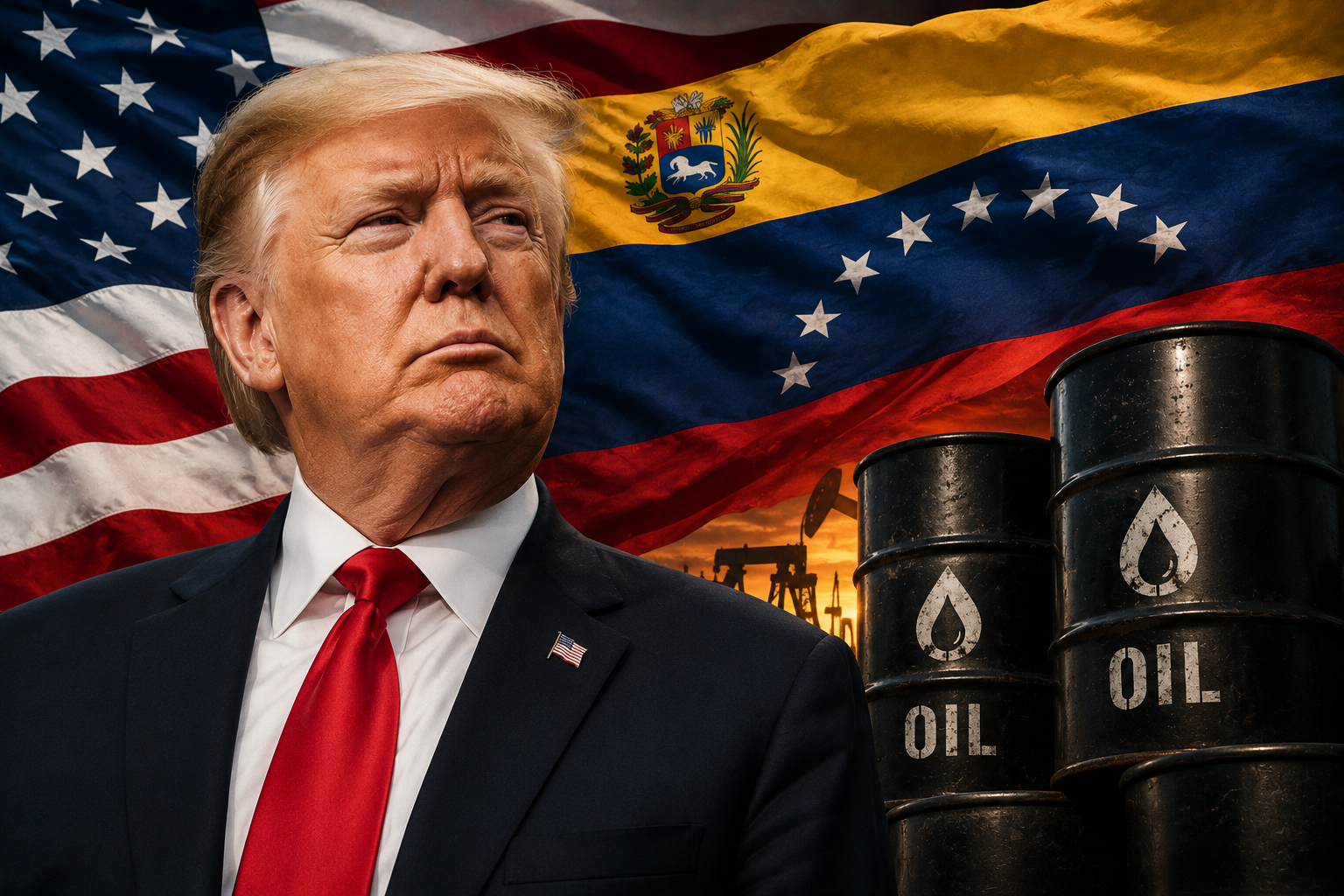
President Donald Trump announced on August 28, 2026, through his social media accounts that his country had entered into an agreement with Venezuela to take control of 65 billion barrels of oil reserves. According to the Associated Press, the U.S. leader said the deal had been reached at no cost to American taxpayers and that the pact more than doubles U.S. crude reserves.
The announcement, also detailed by outlets such as La Tercera and La Nación, envisions a scheme in which U.S. companies would take part in developing oil fields and securing long-term supplies. The idea that private capital would finance the effort is not new: in January 2026, Trump had already urged major U.S. oil companies to invest at least $100 billion of their own capital in Venezuela, according to TalCual. That call was received with caution by the industry at the time. However, significant technical discrepancies persist among the sources. While Trump cited a figure of 65 billion barrels, an earlier report by La Nación put the reserves of a dozen fields under negotiation at around 90 billion barrels, a difference that none of the parties has publicly explained.
This initiative comes amid tension over U.S. energy supply and inventories. According to the Associated Press, the average price of gasoline in the United States stood at $4.09 per gallon on August 28, 2026, compared with $3.21 a year earlier. At the same time, the U.S. Strategic Petroleum Reserve, which serves as the government's physical emergency oil inventory, fell below 300 million barrels in early August, a decline of more than 100 million barrels since the start of 2026. This institutional emergency stockpile is conceptually distinct from the proven reserves underground that the government seeks to secure through trade or leasing agreements.
To put the Venezuelan oil market in context, it is necessary to understand the structural gap between the country's geological potential and its actual operational capacity. Venezuela has proven crude reserves estimated at 303 billion barrels, equivalent to 17% of global supply and the largest in the world. However, its current production represents just 1% of world oil. This disparity reflects the cumulative impact of years of underinvestment, sanctions and operational deterioration, a scenario in which major international corporations remain cautious. Evidence of this is the stance expressed by Darren Woods, chief executive of ExxonMobil, who previously described Venezuela as a country unfit for investment, or "un-investable."
So far, the presidential announcement lacks formal confirmation from Venezuelan institutions and concrete operational details. Venezuela's government press office did not respond to requests for comment, and the White House has not specified which private companies will participate or what Venezuela would receive in return, in terms of compensation or ownership of the resources. The interim administration of Delcy Rodríguez has likewise offered no details on the definitive legal framework that will govern these agreements. This contrasts with other recent processes in which the Venezuelan executive granted licenses to international firms such as BP, XRG and UCC Oil and Gas for specific projects in the Plataforma Deltana, according to El Nacional.