News
The richest 1% in Peru captured 42% of new wealth
Between 2019 and 2025, the richest 1% of Peru captured 42% of the new wealth generated in the country, while the poorest half of the population barely captured 1.4%, according to an Oxfam report disseminated by the outlet Bloomberg Línea through its account on the social network X.
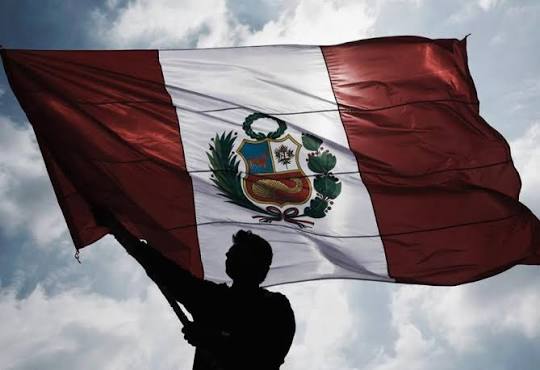
Between 2019 and 2025, the richest 1% of Peru captured 42% of the new wealth generated in the country, while the poorest half of the population barely captured 1.4%, according to an Oxfam report disseminated by the outlet Bloomberg Línea through its account on the social network X.
The enormous gap in the accumulation of resources highlights how the economic expansion of recent years has not permeated the Peruvian social structure evenly. The data show that the concentration of capital in a few hands remains one of the main obstacles to achieving development with greater distributive equity.
This inequality unfolds alongside the evolution of official poverty indicators from the World Bank, which placed the national poverty rate at 29.0% in 2023, lowered it to 27.6% in 2024 and stood at 25.7% in 2025. Although the share of people living in poverty shows a downward trend in the recent period, the speed of recovery among vulnerable sectors contrasts sharply with the rapid accumulation of wealth at the top of the economic pyramid.
The persistence of these disparities in income and assets constrains access to basic services and limits the savings capacity of lower-income households, consolidating a model in which macroeconomic growth does not translate into widespread well-being.