News
Tackling pollution and climate change could lift global GDP by 2035, UN says
Combined efforts to curb air pollution and climate change could expand global gross domestic product (GDP) by 2.8% by 2035, according to a United Nations (UN) report released on September 7, 2026 and reported by the Brazilian newspaper Folha de S.Paulo.
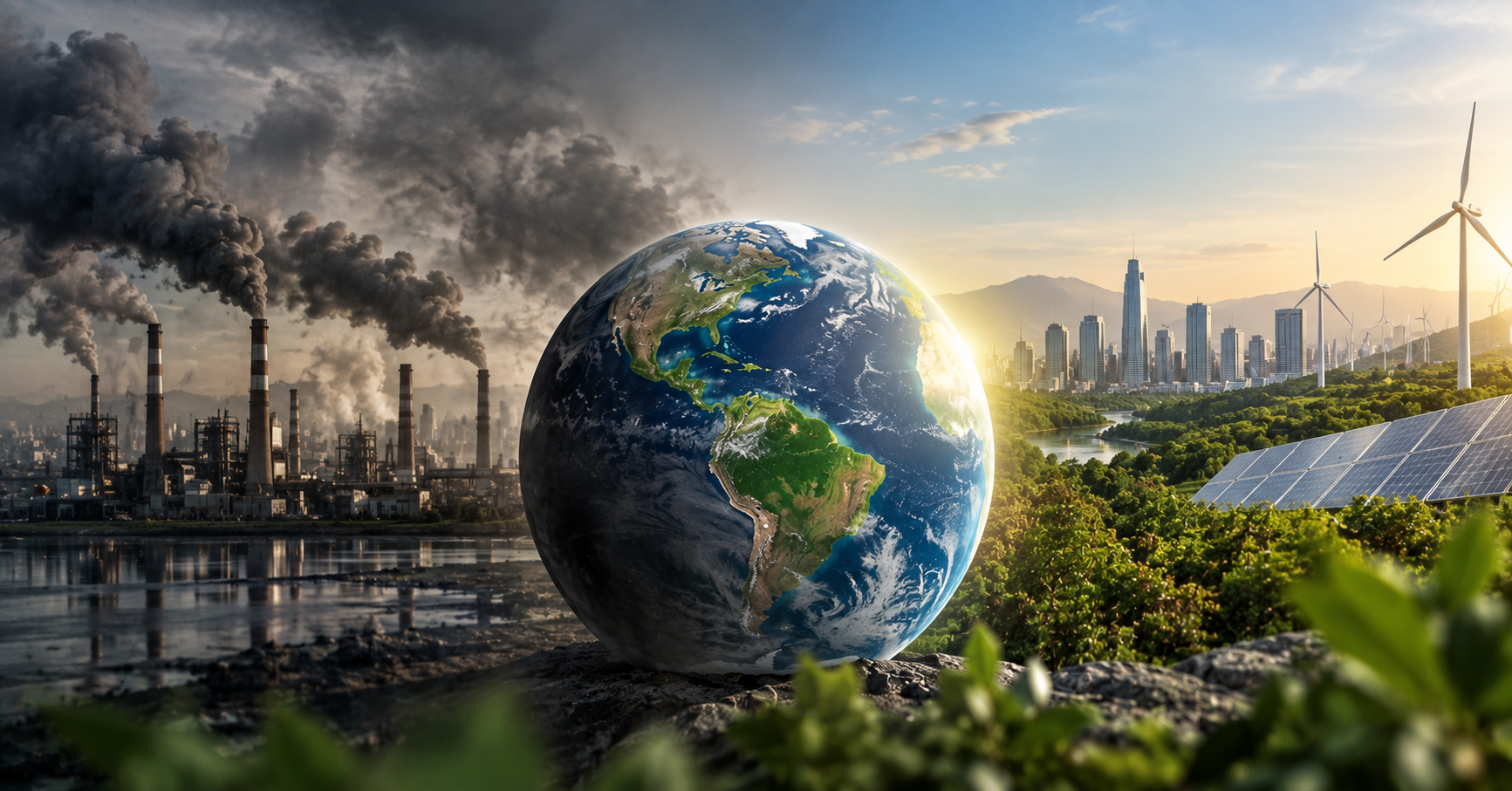
Combined efforts to curb air pollution and climate change could expand global gross domestic product (GDP) by 2.8% by 2035, according to a United Nations (UN) report released on September 7, 2026 and reported by the Brazilian newspaper Folha de S.Paulo. The study underscores the urgency of these measures in a context where most of the world's population remains exposed to pollution levels that exceed recommended international standards.
Such projections highlight that environmental policies are not a brake on development but a long-term economic engine. By reducing polluting emissions, the effects of global warming are mitigated and virtuous dynamics are generated in productive activity. However, implementing these goals requires substantial upfront investment by governments.
For countries in the Global South, financing this ecological transition poses a complex challenge. According to reports by Folha de S.Paulo, nations such as Brazil face considerable pressure on their public finances, which restricts the fiscal space needed to undertake large-scale investments in clean infrastructure and environmental mitigation without compromising macroeconomic stability.
In people's everyday lives, the failure to act against pollution translates into public health problems and lost productivity. Investment in clean technologies and emissions reduction not only seeks to preserve the environment but also to improve the quality of life of the working population, reducing health spending and boosting the performance of local economies.
Looking ahead, the main challenge for the international community will be to coordinate financing mechanisms that allow developing economies to adopt these climate goals. It remains to be seen whether multilateral organizations and industrialized countries will facilitate the flow of resources to the Global South to make this transition viable without deepening sovereign debt gaps.
Imagen: FDRMRZUSA · Dominio público · Wikimedia Commons