News
Hormuz Strait pushes oil prices higher and drives up used ship values
The conflict in the Middle East is once again shaking international energy markets.
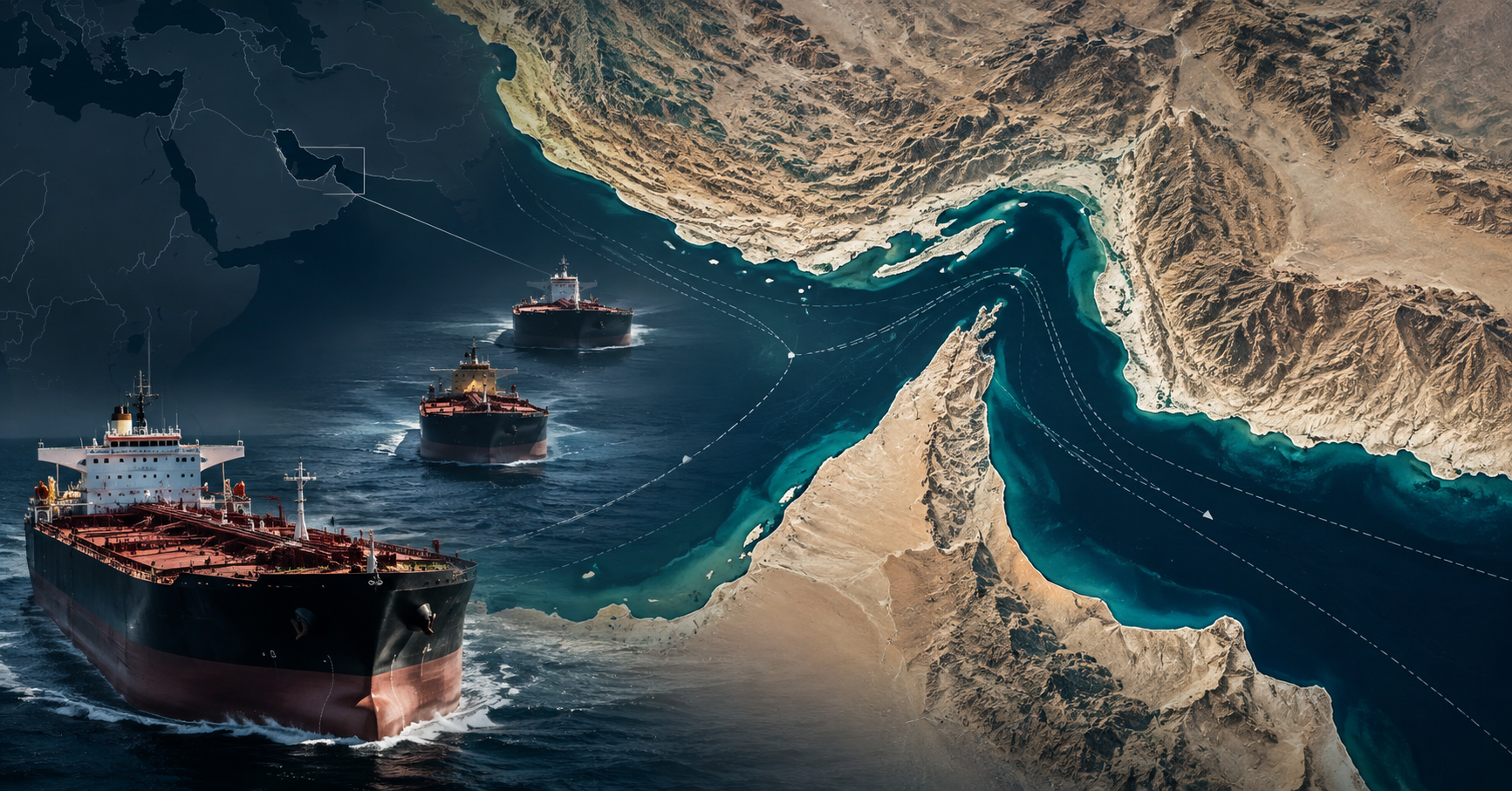
The conflict in the Middle East is once again shaking international energy markets. According to Bloomberg Línea, reporting on its Instagram account, oil prices could reach $120 a barrel if disruptions to maritime transport in the region intensify, while Brent is already trading near $97 a barrel amid fears of new logistical disruptions driven by tensions around the Strait of Hormuz.
The Strait of Hormuz serves as a strategic bottleneck for global energy trade, carrying a very significant share of the world's oil production. Any blockade or increase in risk along this sea route immediately disrupts global supply chains, raising transport costs and forcing the use of longer and more expensive alternative routes that ultimately feed through to the final cost of fuel.
This climate of instability is sending ripples through international logistics infrastructure. According to a report in El País, the potential closure of key routes and a sharp, steep rise in freight costs have sparked intense competition among shipping companies and countries to secure their own transport capacity, to the point that a secondhand ship can cost as much as 40% more than a new one.
This economic paradox, in which a used asset far exceeds the replacement value of a new one, is explained by timing: faced with the urgency of a geopolitical crisis and the long lead times a shipyard needs to deliver a newly built vessel, the immediate availability of fleet capacity that can operate at once justifies paying a considerable premium.
Tensions in the Persian Gulf confront global markets with a outlook of high volatility, in which the security of maritime routes becomes the decisive factor in gauging the reach of energy inflation and the capacity of global supply chains to respond in the coming months.