News
El Niño phenomenon could push Colombian inflation higher by end-2026
The El Niño phenomenon threatens to put pressure on the cost of living in Colombia toward the end of this year.
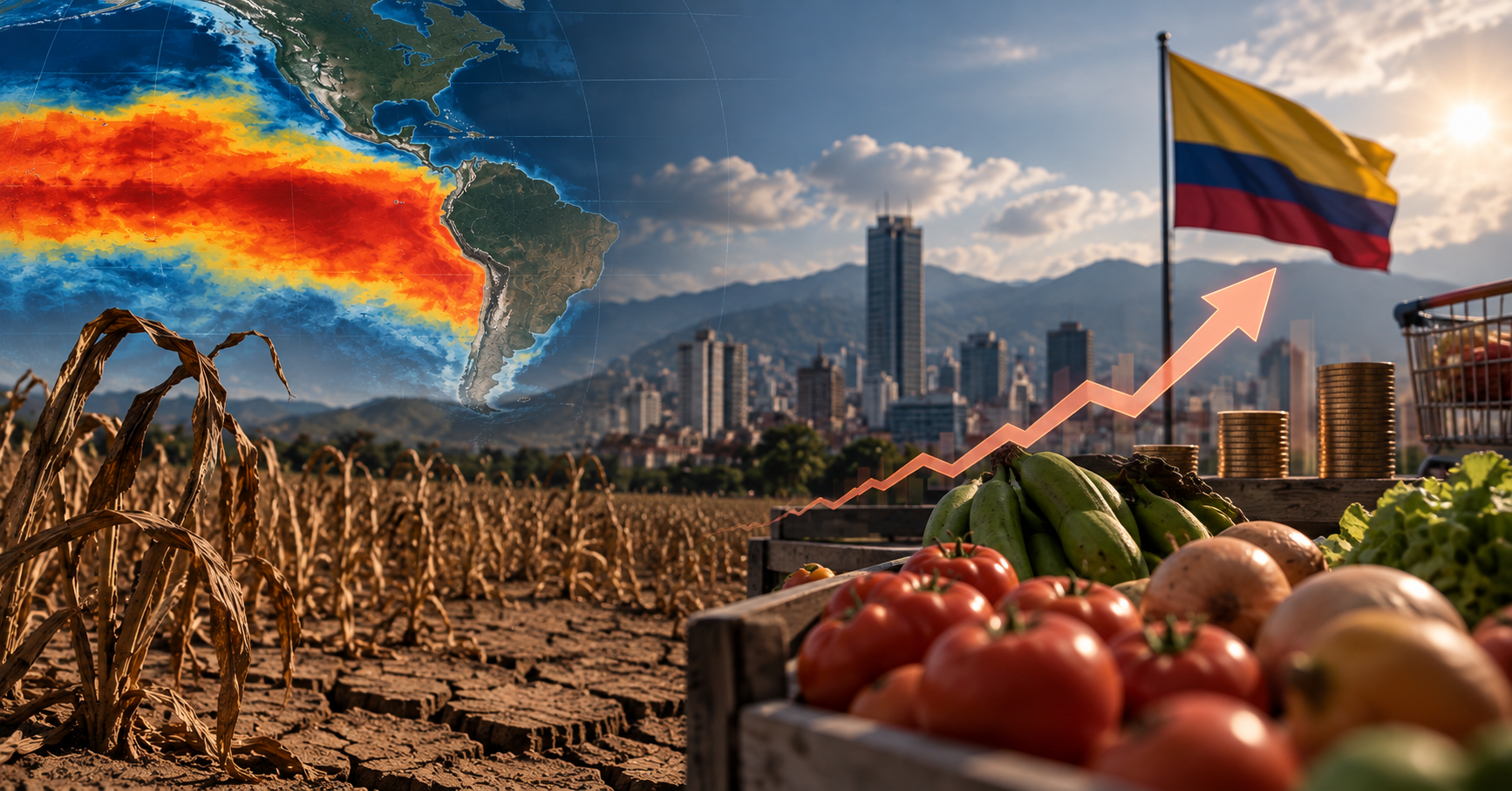
The El Niño phenomenon threatens to put pressure on the cost of living in Colombia toward the end of this year. According to the newspaper La República, reporting on September 10, 2026, the impact of this climate event could raise inflation to 7.3% by year-end, driven mainly by higher food prices and energy tariffs.
This climate phenomenon, characterized by rising temperatures and reduced rainfall, directly hits agricultural production and hydroelectric generation. With less water, harvests fall and generating electricity becomes more expensive, a mechanism that ultimately passes through to consumers in the form of higher electricity bills and more expensive food.
The financial impact of this climate anomaly is already raising alarms in the analytical sector. According to a report from the magazine Semana, El Niño could add 70 basis points to inflation expectations in the country. Likewise, the National Association of Financial Institutions (ANIF) warned that this climate shock will weaken the performance of key productive sectors, causing growth in agriculture and energy to slow.
This situation directly affects Colombian households, especially lower-income families, who spend a larger share of their budgets on basic foods and utility payments. Persistent inflationary pressures limit the purchasing power of the population and hinder the recovery of domestic consumption.
In the coming months, attention will turn to the trajectory of energy tariffs and the supply of agricultural products at the country's main wholesale supply centers. It will also be key to watch how authorities respond to the climate emergency in order to prevent a larger impact on overall economic activity.