News
The economic impact of tougher immigration enforcement in the U.S.
According to CNN on October 14, 2026, tougher immigration policy and operations by U.S. Immigration and Customs Enforcement (ICE) have had negative effects on commercial activity in several areas of the United States, a phenomenon analysts call the "ICE tax".
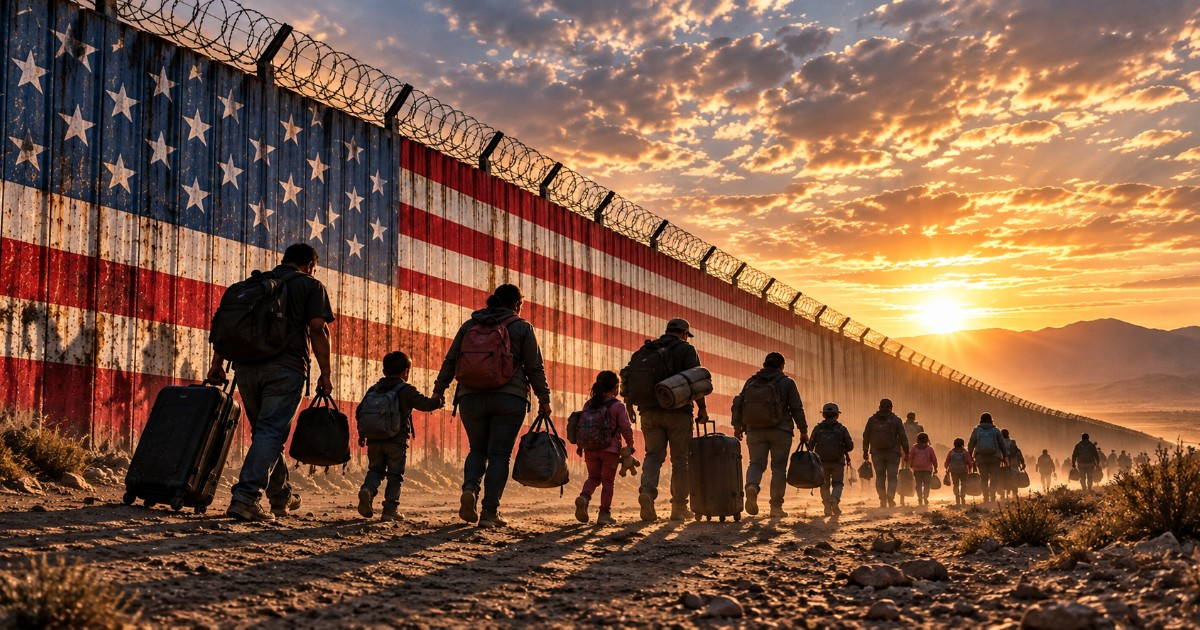
According to CNN on October 14, 2026, tougher immigration policy and operations by U.S. Immigration and Customs Enforcement (ICE) have had negative effects on commercial activity in several areas of the United States, a phenomenon analysts call the "ICE tax". The picture in neighborhoods such as Arlandria, between Arlington and Alexandria in Virginia, reflects a decline in customer traffic and difficulties in keeping staff at small businesses in immigrant communities.
On the other hand, a study by the think tank Brookings estimated that immigration enforcement actions have cost about 668,000 jobs, especially affecting the labor market in 86 cities with the highest number of detentions. In addition, reports cited by the organization America's Voice indicate that this impact on the workforce, together with other factors such as tariffs and the global rise in oil prices, is contributing to higher prices for products and services that depend on immigrant labor.
Among the increases recorded by the cited sources are lettuce, up 32.1%, apples, up 7.1%, citrus fruits, up 6.3%, and gardening services, up 10.8%, reflecting a combination of economic pressures that go beyond a single structural variable. The situation has also been covered by outlets such as The New York Times, which detailed the repercussions for institutional access and the country's overall economic climate.