News
Venezuela's main airport runs at 48% of capacity despite more international flights
Venezuela's main airport, Maiquetía International Airport, is currently operating at 48% of its capacity, according to the newspaper Efecto Cocuyo, which reported it on September 10, 2026.
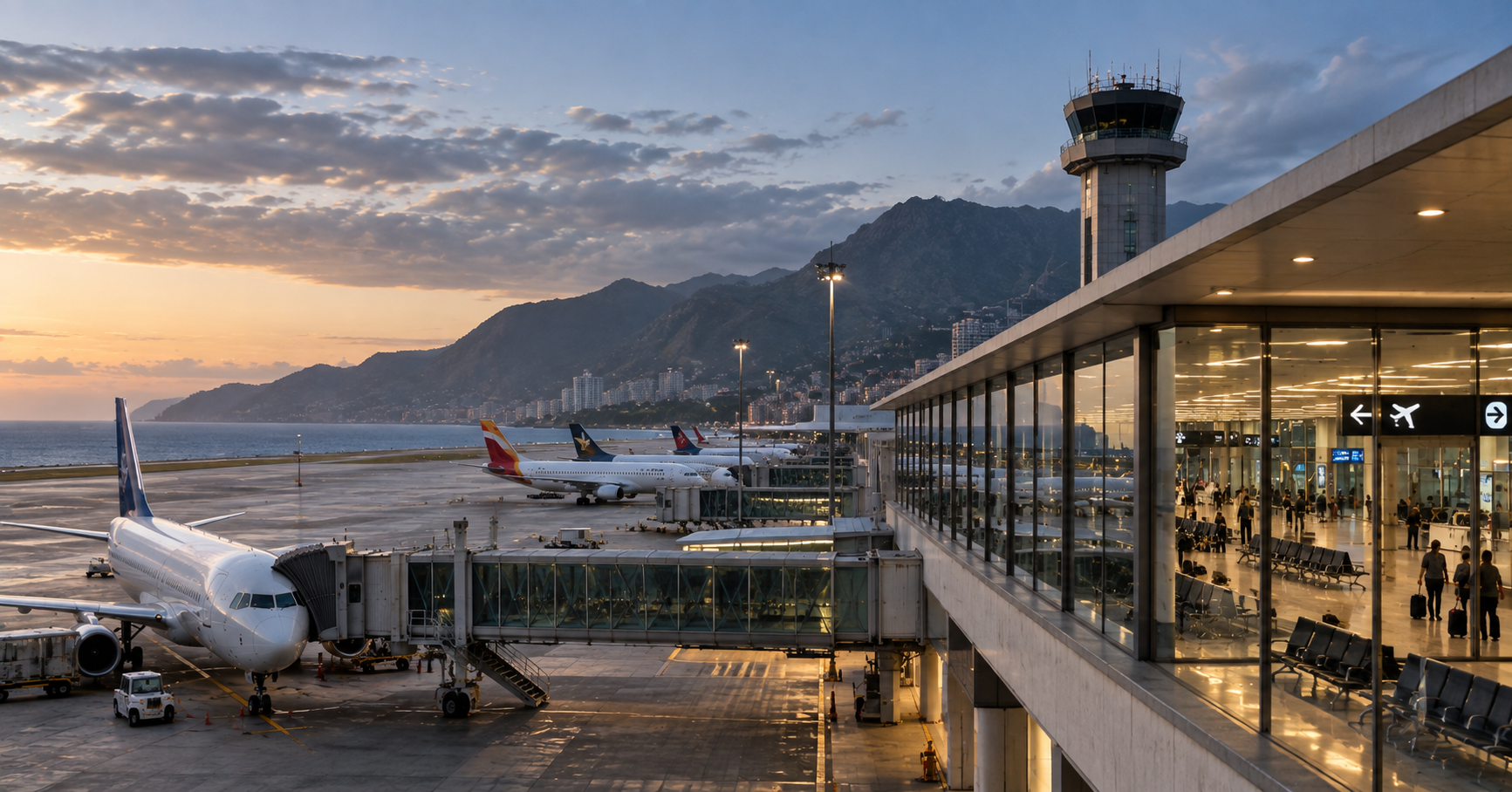
Venezuela's main airport, Maiquetía International Airport, is currently operating at 48% of its capacity, according to the newspaper Efecto Cocuyo, which reported it on September 10, 2026. Despite this low utilization of the infrastructure, authorities reported that the terminal is handling a greater number of international operations compared with the previous year. The transport minister ruled out the immediate need to build an additional airport for the region.
An airport operating at less than half its capacity reflects a structural gap between available infrastructure and actual demand for air transport. In transport economics, maintaining underused facilities generates high fixed maintenance costs that current passenger flows fail to cover, which limits the profitability of the sector and the efficiency of public resources invested.
This situation is set against a backdrop of moderate economic recovery. According to projections from the International Monetary Fund, real GDP growth for Venezuela is estimated at 4.0% in 2026 and 6.0% in 2027. However, this projected momentum is building on a severely depressed economic base after years of deep crisis and contraction in the past decade. This base effect explains why, despite positive growth rates, overall economic activity and demand for air transport services remain far below the country's historical infrastructure levels.
In daily life, the airport's low operating levels and concentration on international routes limit the connectivity of the population and make travel more expensive. For ordinary people, the lack of a robust domestic flight network hampers internal trade and the transport of goods, isolating regions from the center of economic activity.
Going forward, the key will be to monitor whether the increase in international operations translates into a revival of the domestic market or remains an isolated phenomenon.