News
Seniat changes criteria for Sujetos Pasivos Especiales
The Servicio Nacional Integrado de Administración Aduanera y Tributaria (Seniat) issued Administrative Order 00099 in Official Gazette No. 43,485, which establishes a new framework for classifying and reclassifying Sujetos Pasivos Especiales in Venezuela, according to reports by Descifrado and Banca y Negocios.
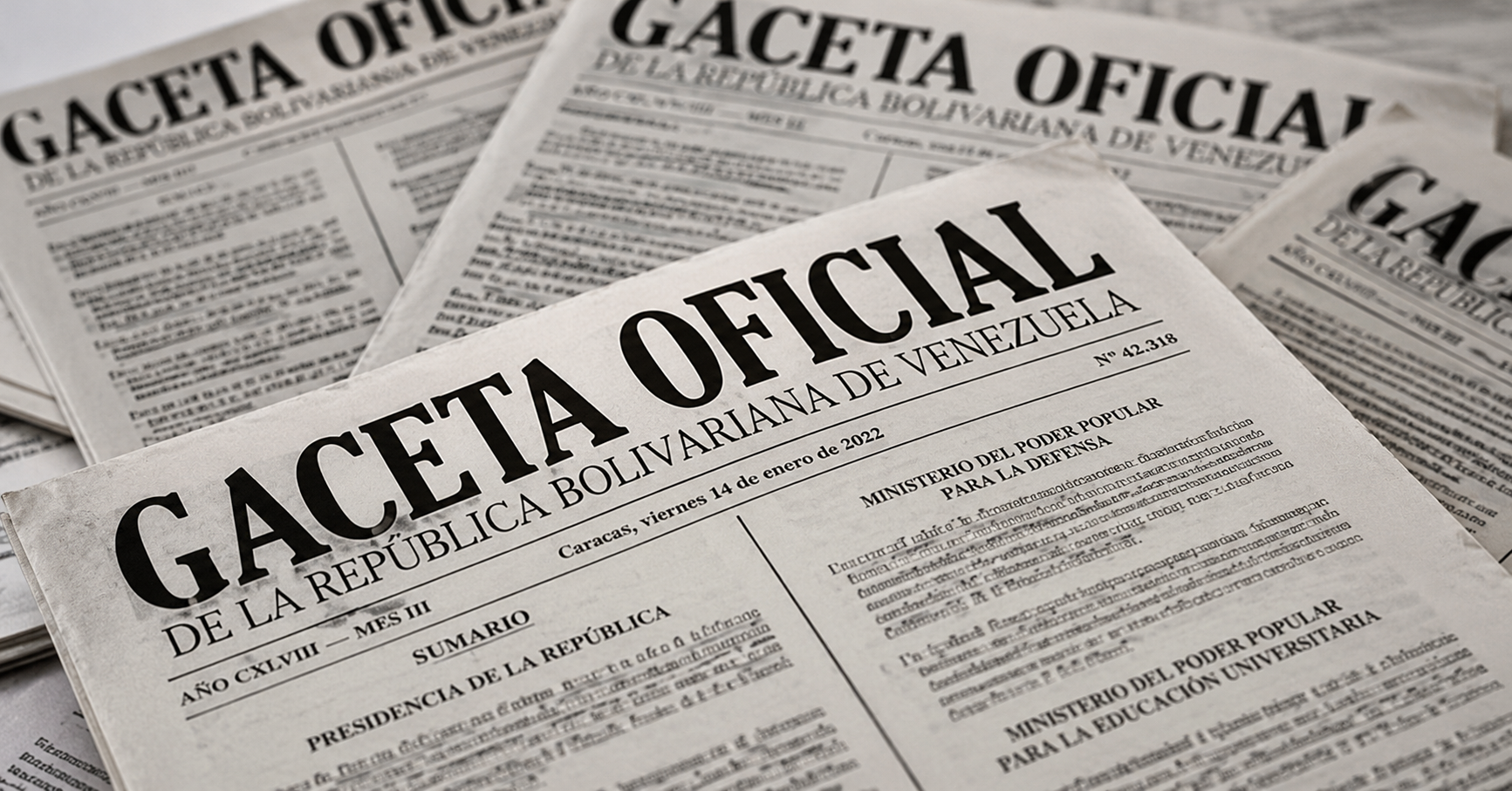
The Servicio Nacional Integrado de Administración Aduanera y Tributaria (Seniat) issued Administrative Order 00099 in Official Gazette No. 43,485, which establishes a new framework for classifying and reclassifying Sujetos Pasivos Especiales in Venezuela, according to reports by Descifrado and Banca y Negocios.
The regulation adjusts the conditions under which a taxpayer comes under the administration of regional offices or the Internal Tax Management of the Capital Region. The thresholds for determining this status are calculated from the exchange rate of the higher-value currency published by the Central Bank of Venezuela. Under the official rate set by the issuing bank for October 27, 2026, the euro traded at 994.04 bolívares and the U.S. dollar at 887.30 bolívares, so the European currency is taken as the reference of higher value for converting annual or monthly sworn tax declarations.
Being classified as a Sujeto Pasivo Especial entails additional tax obligations, notably advance withholding of the value-added tax and a more demanding payment schedule. Reclassification to the ordinary regime aims to ease the administrative burden and the pressure on the cash flow of entrepreneurs, small and medium-sized enterprises, and self-employed professionals, aligning tax oversight with the actual capacity of businesses.
In the coming fiscal cycles, taxpayers will need to check whether their gross income or gross sales reach the benchmarks set in the higher-value currency to determine their final status with the tax administration.