News
Governing Latin America after the rightward wave
Latin America's new right-wing governments face mounting economic and social strain after coming to power on promises of adjustment, a firm hand and a break with their predecessors.
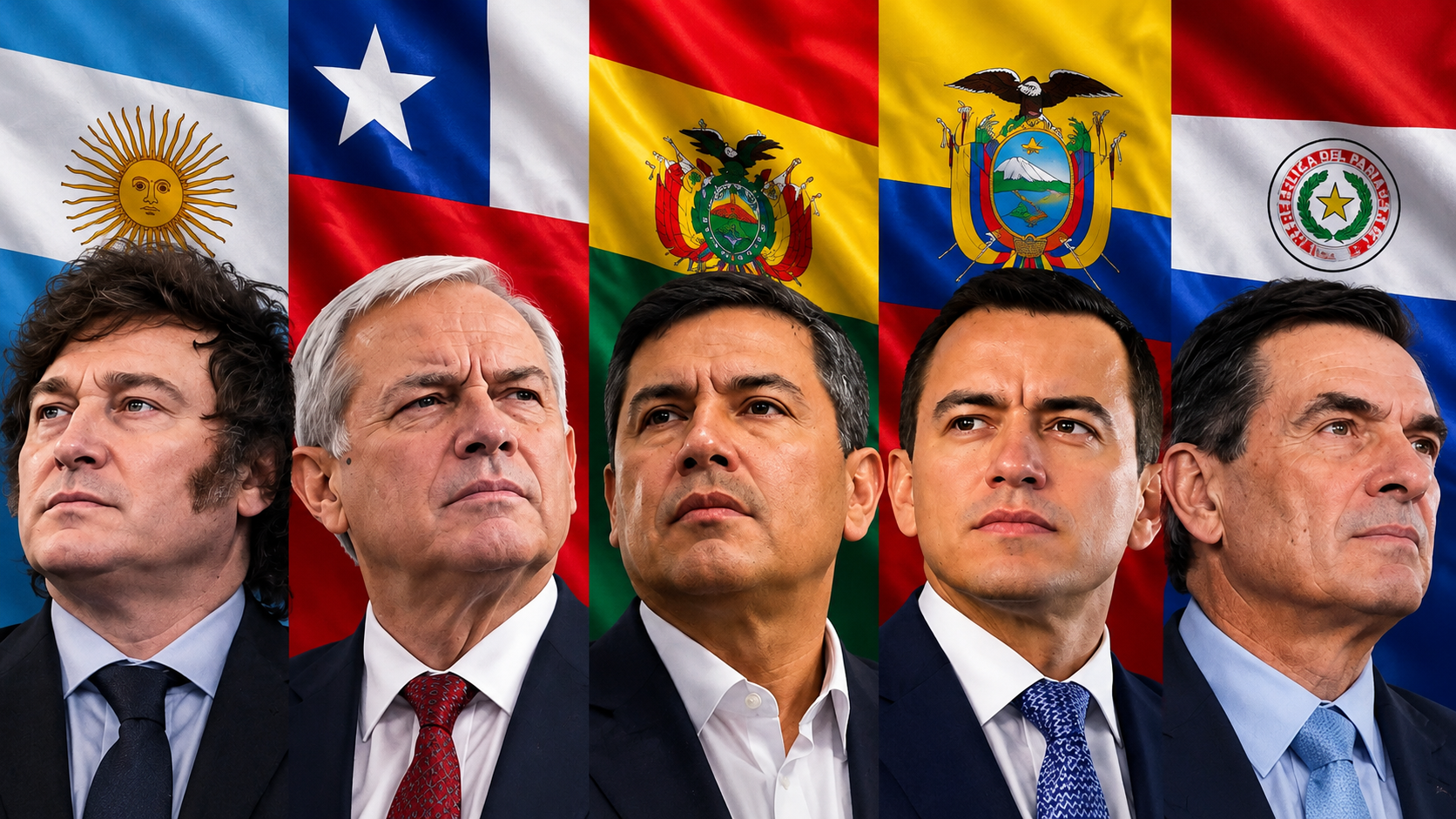
According to a report published by CNN on September 22, 2026, Latin America's new right-wing governments face mounting economic and social strain after coming to power on promises of adjustment, a firm hand and a break with their predecessors.
The phenomenon reflects the tensions between electoral expectations and the structural constraints of the region. According to the network's report, the shock policies implemented by these administrations have provoked strong social resistance and complex macroeconomic problems.
In Bolivia, the government eliminated much of the fuel subsidy that had been in place for two decades, which translated into increases of 86% for gasoline and 163% for diesel, according to the data cited by the outlet, sparking protests and road blockades against the measures.
In Chile, the administration that took office in March 2026 recorded a contraction in GDP in the first half of the year and the highest unemployment rate in five years, at 9.4%, according to the information reported by CNN. The measures included a fiscal adjustment of US$6 billion that led to protests in Santiago.