News
National Assembly receives 2027 budget and borrowing bills
On October 14, 2026, Venezuela's National Assembly formally received the budget and borrowing bills for fiscal year 2027, according to the daily El Nacional.
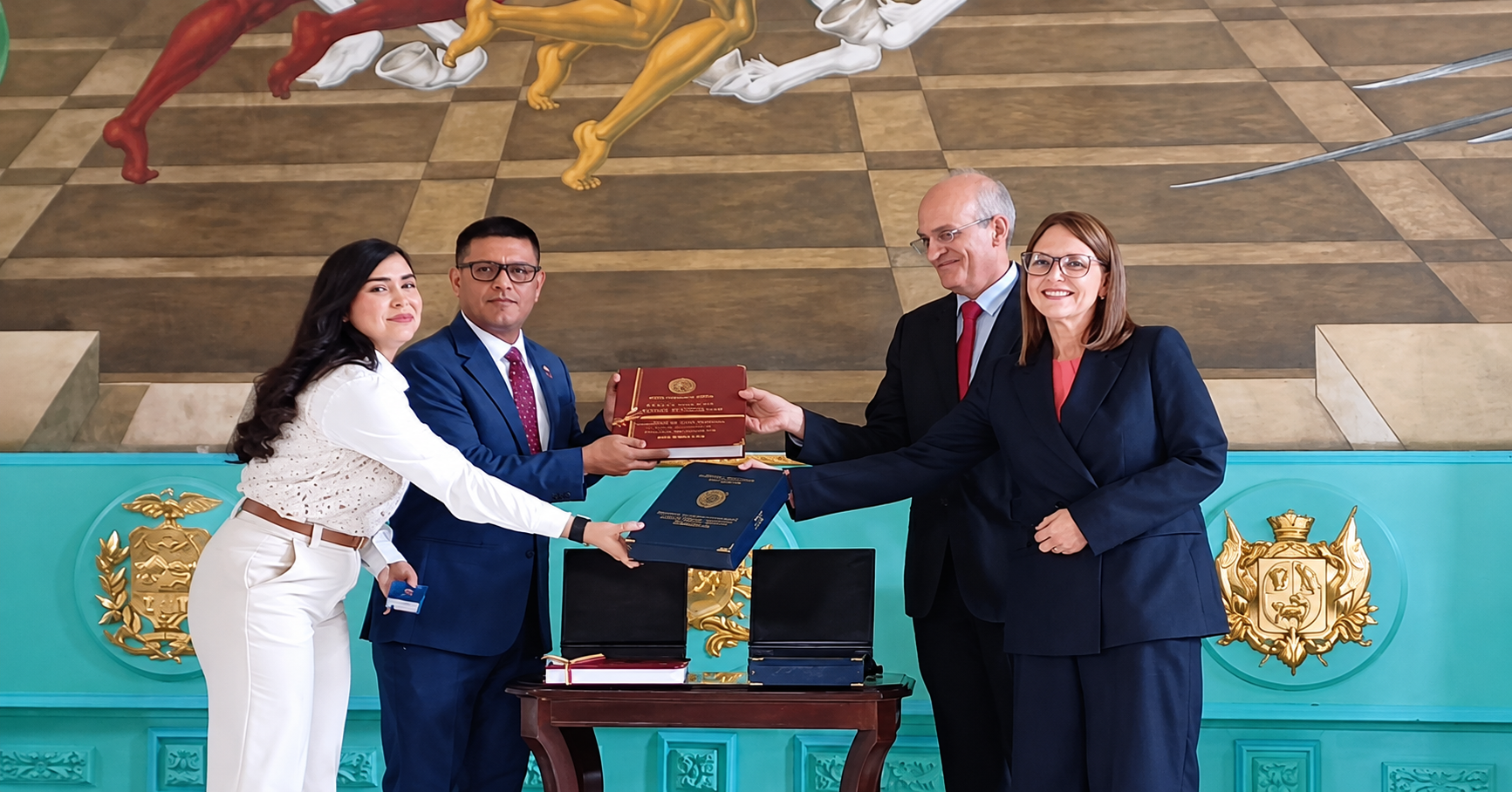
On October 14, 2026, Venezuela's National Assembly formally received the budget and borrowing bills for fiscal year 2027, according to the daily El Nacional. According to the document received by the first vice president of the legislature, Pedro Infante, the official proposal prioritizes the recovery of purchasing power, the strengthening of public services and the boost to productive activity.
The debate over the feasibility of these budget targets is taking place against a backdrop of high inflation and shrinking fiscal revenue. According to data published by El Nacional based on records from Cedice, cumulative inflation in Venezuela reached 242.87% between January and September 2026. In addition, the organization's projections put annual inflation for 2026 at between 370% and 540% in bolívares, a scenario marked by exchange-rate uncertainty and the erosion of household purchasing power.
Adding to this picture is the impact of operating losses in the oil industry, the state's main source of revenue. According to reports circulated by Bitácora Económica and warnings from engineer and former lawmaker Elías Matta, the direct award of oil fields without a tender, such as the case of the Bare Block in the Orinoco Oil Belt, caused the republic to forgo between $400 million and $515 million by acting as an intermediary with private operators.
Constraints on oil revenue directly limit the state's capacity to finance the social spending and public services recovery targets promised in the budget. For the coming period, projections from the International Monetary Fund (IMF) estimate that annual inflation will slow to 94.4% in 2027, compared with 387.4% projected for the close of 2026, which keeps pressure on fiscal planning and the country's macroeconomic stability.