News
More than 30,000 companies closed in Argentina under Milei's government
The number of companies registered with formal employment in Argentina fell 6.3% over 32 months of government administration, according to Infobae, based on records from the Superintendencia de Riesgos del Trabajo.
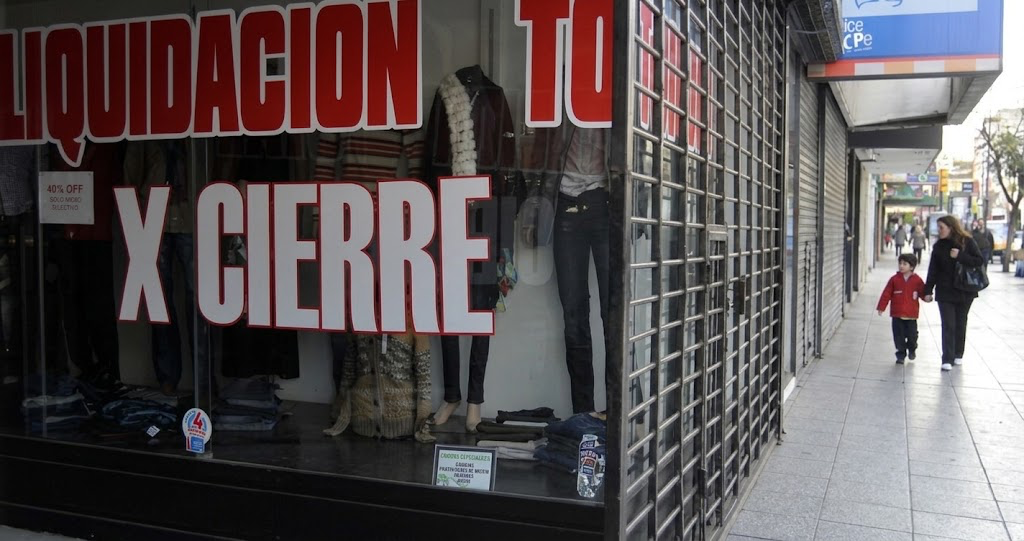
The number of companies registered with formal employment in Argentina fell 6.3% over 32 months of government administration, according to Infobae, based on records from the Superintendencia de Riesgos del Trabajo. In July 2026 alone, the number of employers fell 0.2% from the previous month, marking 18 consecutive months of negative net change.
The phenomenon reflects a cooling of domestic demand and the loss of purchasing power of wages, factors that hit the commerce, manufacturing and agricultural production sectors hardest. The spillover of this contraction into the payment chain is squeezing SME suppliers, many of which operate on thin margins to withstand falling sales.
This contraction of the productive fabric is occurring against a mixed macroeconomic backdrop, according to the International Monetary Fund. After real GDP contractions of 1.9% in 2023 and 1.3% in 2024, the Argentine economy rebounded 4.4% in 2025. For 2026, the IMF projects 3.5% growth, reflecting a gap between the recovery in aggregate indicators and the persistent destruction of business units.
Going forward, the trajectory of employment and activity will depend on the ability of SMEs to sustain their operations in the face of input costs and external competition. The next official reports will show whether the projected growth is enough to stabilize the number of employers in the formal market.