News
US sovereign bond dependence stirs tensions in global financial markets
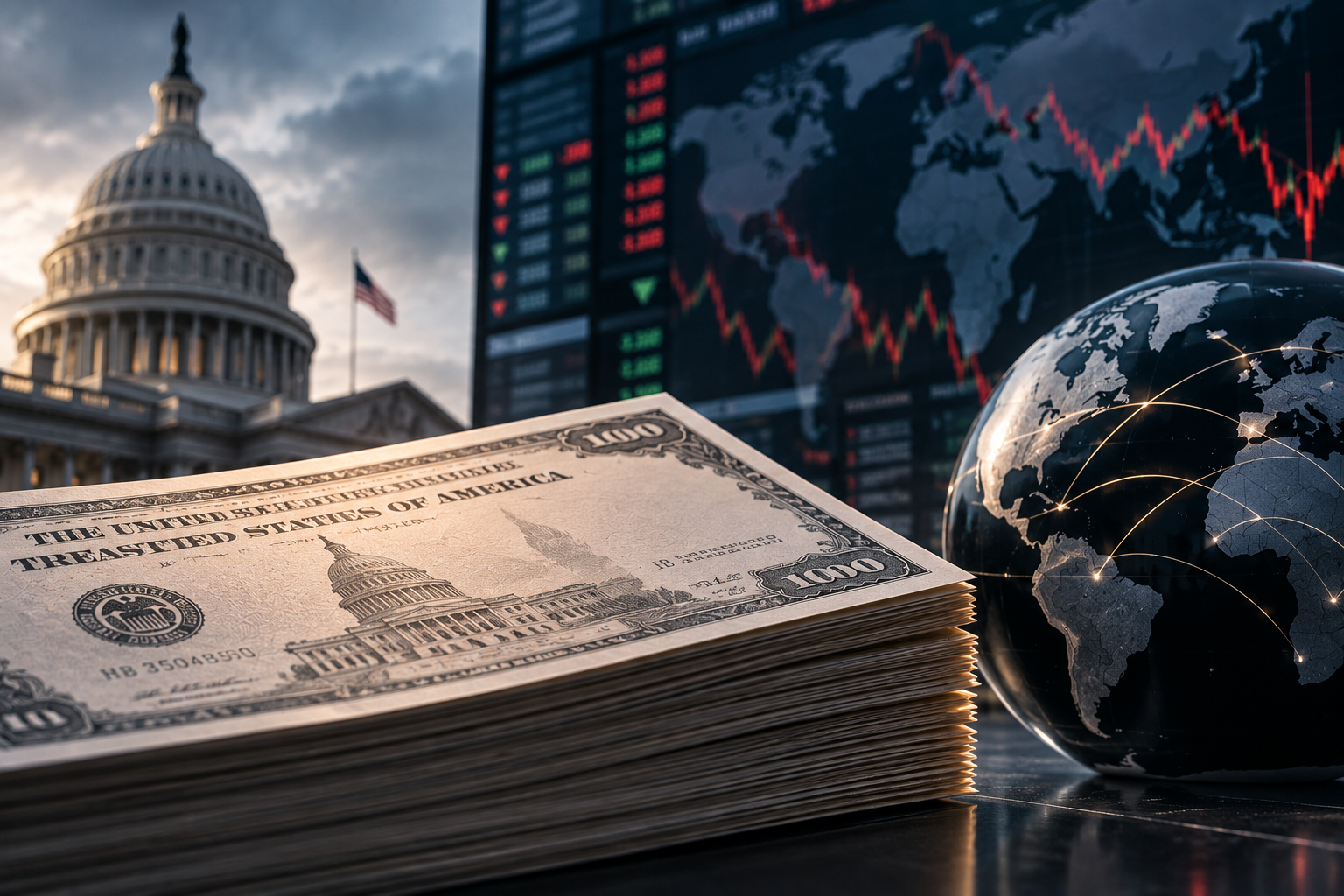
On September 9, 2026, the Spanish daily El País reported on the complex situation of US sovereign debt held by foreign investors, a source of strain that financially ties the administration of Donald Trump to the rest of the world. According to the report, US Treasury securities are losing appeal in international markets. Even so, both public and private investors are performing a delicate balancing act to avoid mass sales that could unleash a global financial storm.
US Treasury bonds serve as the world's principal safe-haven asset. When a government issues debt, it sells these securities in exchange for financing, promising a secure return. If foreign holders decide to abruptly unload these assets, bond prices fall and interest rates spike, making credit more expensive worldwide and destabilizing economies that depend on external financing.
Amid this uncertainty, the creditworthiness of the North American power remains under scrutiny. According to data from Aswath Damodaran (NYU Stern) updated to January 1, 2026, the sovereign rating assigned by Moody's stands at Aa1, accompanied by a country risk premium of 0.23% for that period. Although these indicators reflect historically low risk, any shift in the confidence of external creditors puts upward pressure on the cost of borrowing.
Instability in the US debt market directly affects developing economies. When US interest rates rise to attract more buyers, capital tends to leave emerging markets in search of safer returns. This depreciates local currencies, makes imports more expensive and forces the central banks of the region to raise their own rates, slowing domestic economic growth.
In the coming months, it will be crucial to watch the evolution of the White House's tariff and fiscal policies, as well as the willingness of major bondholders to maintain their positions. A coordinated withdrawal or an accelerated loss of confidence could reshape global capital flows.