News
US inflation holds at 3.4%, raising pressure on the Federal Reserve
The US consumer price index rose by four-tenths of a point in August 2026 from the previous month, keeping the annual inflation rate at 3.4%, according to the newspaper Expansión on September 11, 2026.
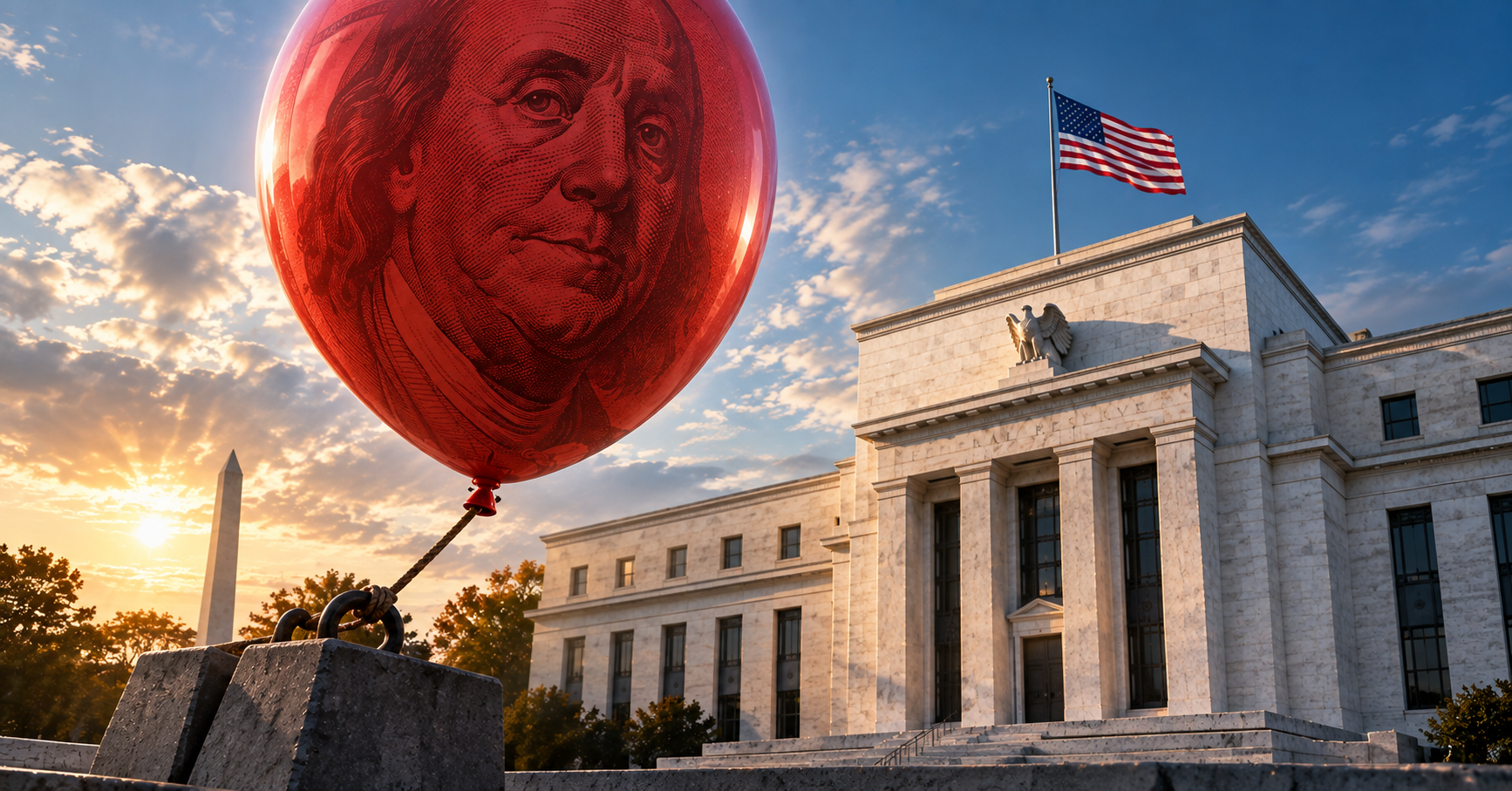
The US consumer price index rose by four-tenths of a point in August 2026 from the previous month, keeping the annual inflation rate at 3.4%, according to the newspaper Expansión on September 11, 2026. This persistence in price levels, also reported by the newspaper El País, increases uncertainty about the next steps of the Federal Reserve (Fed) and strengthens the possibility of another interest rate hike to cool the economy.
The main driver of this upward trend has been higher energy prices, fueled by global geopolitical tensions. In the US market, the national average price of diesel exceeded $6 per gallon for the first time in history, according to the portal Descifrado. This increase in fuel costs acts as a direct surcharge on the distribution chain and the transport of goods, raising the price of products before they reach the final consumer.
This situation of inflationary pressures from the supply side is not exclusive to North America. In Europe, higher energy and oil prices also keep the possibility of further monetary adjustments open. According to France 24, the European Central Bank decided to raise its benchmark interest rates to 2.5% in the face of inflation in the euro zone that reached 3.3% year on year in August 2026.
The traditional response of central banks to inflation is to raise interest rates to make credit more expensive and reduce consumption. However, when inflation is driven by costs (caused by higher fuel and energy prices) rather than by demand, this tool shows serious limitations. Cooling economic activity through high rates does not lower the international price of oil, but it does make mortgages and loans more expensive for families and small businesses, directly affecting their monthly budgets.
In the coming weeks, households will experience the double impact of more expensive fuel and more restrictive access to credit. It remains to be seen whether the Federal Reserve decides to prioritize strict price control or moderates its increases to avoid a deeper slowdown that ends up hurting employment and the incomes of the most vulnerable sectors.