News
Venezuela's oil output stabilizes in August amid new deals with U.S. firms
Venezuela's oil production held steady at the close of August 2026, averaging 1.2 million barrels per day, according to El Nacional.
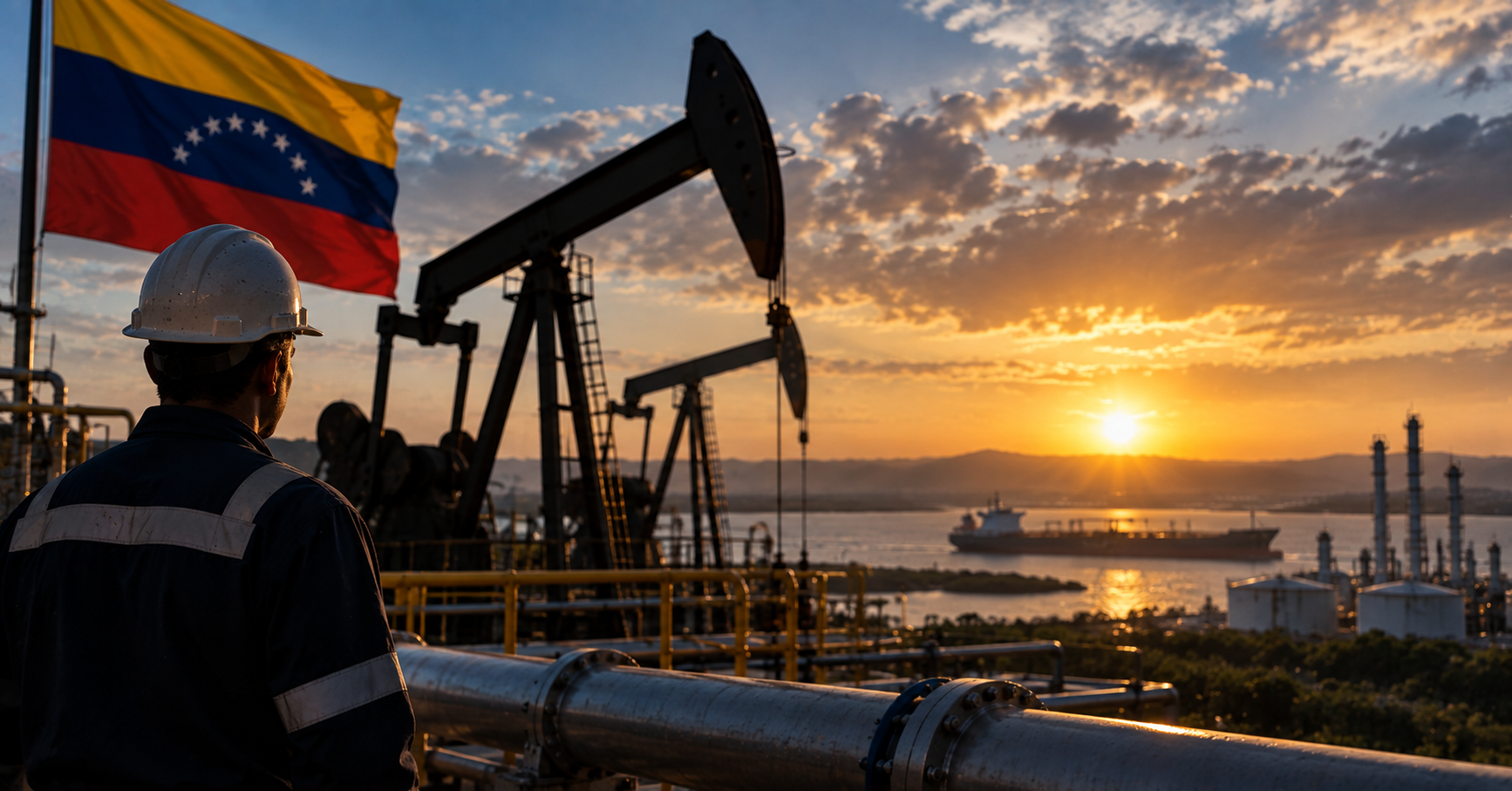
Venezuela's oil production held steady at the close of August 2026, averaging 1.2 million barrels per day, according to El Nacional. Data from Banca y Negocios show that this volume represents a marginal change compared with July 2026. The Organization of the Petroleum Exporting Countries (OPEC) report for September confirms that, although operations are gradually normalizing after the easing of U.S. sanctions, the pace of growth is not advancing as fast as some sector analysts had projected.
The official figure contrasts with estimates from OPEC's secondary sources, which put the country's output below the figure reported by the Venezuelan government. According to Banca y Negocios, this alternative measure is 4.80% below the government's figure. Globally, Venezuela accounted for 4.76% of the organization's combined output in August 2026. On a quarterly basis, average production in that month exceeded output in the second quarter of 2026 by 2.91%, showing a moderate recovery trend against the average recorded throughout 2025.
The future of local oil activity is closely tied to new international partnerships. According to El Nacional, the landmark agreement signed between the government of Venezuela and U.S. company North American Blue Energy Partners (Nabep) provides for control over more than 65 billion barrels of crude reserves in the country. The partnership, in which the U.S. Department of Defense holds a 35% stake, is projected to generate a fiscal benefit of $200 billion for the Venezuelan state over a very long-term concession.
Separately, Bitácora Económica reported that Nabep plans to increase its production in Venezuela by 150% by 2028. Such investments aim to revive the country's refining and crude transport infrastructure, a critical factor for an economy that has historically depended on hydrocarbon revenue. The inflow of foreign capital under these terms sets up a scenario of revival that, however, commits strategic national resources for an exceptionally long period.