News
Which Latin American countries produce the most oil, according to Bloomberg Línea
Conflicts in the Middle East pushed oil prices above $100 a barrel in 2026, a development that benefited Latin America's major oil-producing countries, according to the regional survey published by the outlet Bloomberg Línea.
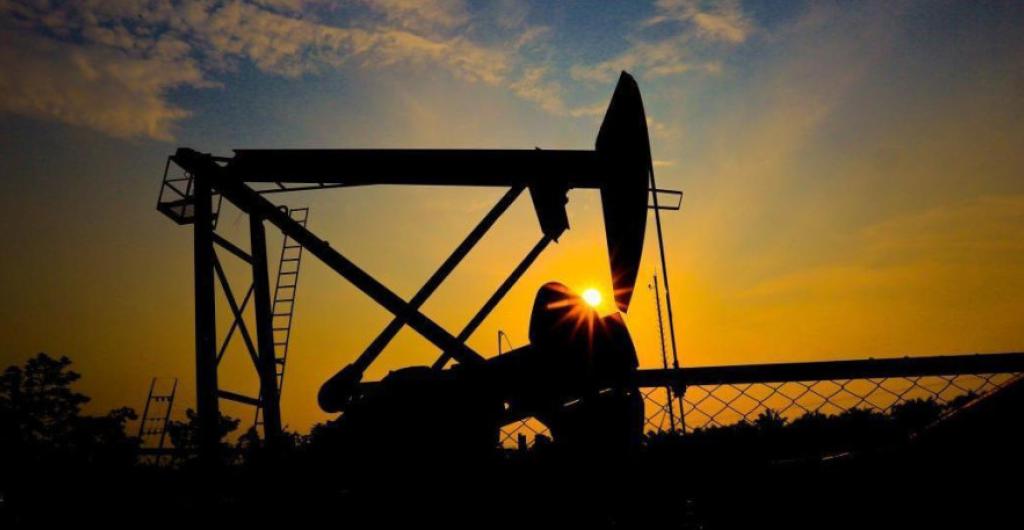
Conflicts in the Middle East pushed oil prices above $100 a barrel in 2026, a development that benefited Latin America's major oil-producing countries, according to the regional survey published by the outlet Bloomberg Línea.
Among the leading players, Brazil, the largest economy in the region, reached an output of 4,475,000 barrels a day in June 2026, up from 2,900,000 barrels recorded five years earlier, according to data published by Bloomberg Línea. By contrast, Mexico, the region's second-largest producer, recorded 1,756,000 barrels a day in the same month, a declining trend from the 2,190,000 barrels a day it produced ten years earlier.
Venezuela ranked third as an exporter, with 1,206,000 barrels a day in June 2026, a rebound after the historic collapse of its capacity under the chavista regime. It remains, however, the country with the largest oil reserves on the planet, according to the U.S. Energy Information Administration. Argentina took fourth place with 902,000 barrels a day, driven by Vaca Muerta, while Colombia ranked fifth with 713,000 barrels a day, in a context of decline from the 898,970 barrels reached in January 2019.
Regional production also includes Ecuador, which reached 460 barrels a day in June, figures lower than those of a decade earlier, according to the report published by the outlet. This picture of boom and bust across Latin America's oil markets marks the economic pulse of the region's main hydrocarbon exporters.
File photo, 2025 · Photo: Web Summit Rio from Rio de Janeiro, Brazil · CC BY 2.0 · Wikimedia Commons