News
Heat wave and drought threaten Venezuelan planting
The Venezuelan Society of Agronomists and Related Engineers (SVIAA) issued an agricultural-epidemiological alert warning that an intense heat wave and severe drought, caused by the El Niño climate phenomenon, put the viability of crops across the country at risk.
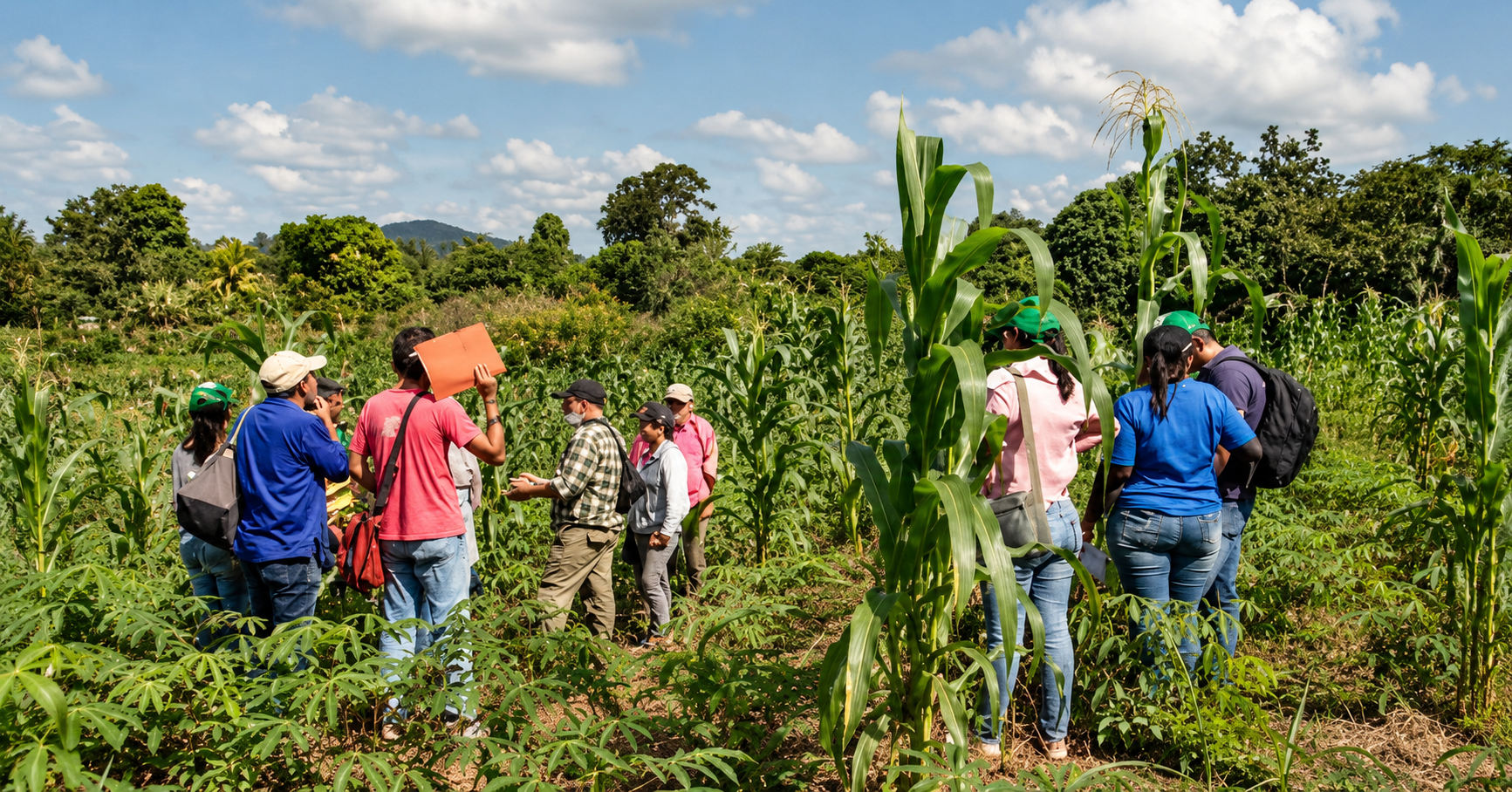
The Venezuelan Society of Agronomists and Related Engineers (SVIAA) issued an agricultural-epidemiological alert warning that an intense heat wave and severe drought, caused by the El Niño climate phenomenon, put the viability of crops across the country at risk. According to the portal Banca y Negocios, the sharp reduction in water available for irrigation directly threatens plantings in the northern-summer cycle.
The situation critically affects staple crops for the nation's tables, including rice, beans, sesame and sunflower. SVIAA President Saúl Elías López said extreme temperatures are forcing farmers to completely rethink field operations to avoid severe economic losses. In this scenario, the association recommended conducting prior assessments of the land and analyzing soil moisture before planting or applying fertilizers, as well as using ground cover and crop residue to retain moisture.
The search for solutions to the water deficit is a shared challenge across the region. As the Peruvian newspaper El Comercio reported, in areas such as Huarochirí, efforts are underway to revive amunas, ancestral systems for planting and harvesting water that allow the resource to be channeled during periods of scarcity. These traditional techniques show that adapting to climate change requires combining modern technology with the historical infrastructure for soil conservation.
To facilitate the adoption of contingency measures in Venezuela's countryside, the SVIAA has activated an informational guide within the Crediagro app, a digital tool that allows farmers to consult climate strategies and manage financing for inputs. In the coming months, the success of these conservation practices and access to technical resources will be decisive in determining whether producers manage to save this cycle's harvests in the face of the climate crisis.