News
Protests in Venezuela over service failures and wages
Venezuela saw multiple protests over failing public services and depressed wages, according to the daily La Patilla.
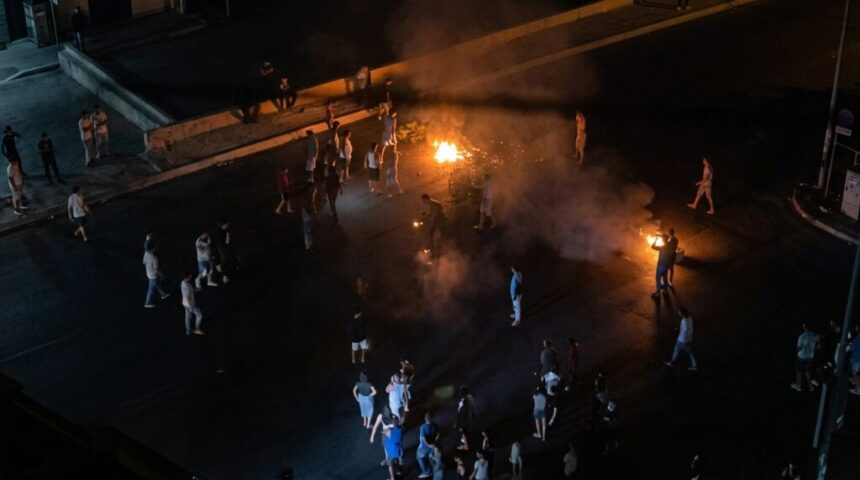
Venezuela saw multiple protests over failing public services and depressed wages on October 1, 2026, according to the daily La Patilla. Political leader Omar González said the population is mobilizing in the face of the collapse of electricity, low incomes and the deterioration of state services, placing direct blame on the government's management for the social crisis.
This social discontent coincides with serious structural problems affecting productive activity. According to a report by El Pitazo, various analysts and executives warned at the International Oil and Gas Summit in Caracas that instability in the power grid is the main obstacle to the development of energy projects. The electricity crisis not only limits the country's industrial capacity, but also directly disrupts the daily life of households, intensifying citizens' discontent.
Pressure on household budgets is reflected in the cost of living. According to El Nacional, monthly inflation in August 2026 stood at 6.99% in bolívares and 0.77% in dollars. Caracas recorded the largest monthly increase in the national currency, at 8.96%, while Maracaibo ranked as the city with the most expensive basic food basket, reaching US$980.32. The cost of this basket highlights an enormous gap relative to the real wages of the population, which are depressed and barely cover a fraction of basic needs.
Food accounts for the largest share of household resources. According to data from El Nacional, the National Association of Supermarkets and Self-Service Stores said Venezuelans devote 60% of their income exclusively to buying food. At the macroeconomic level, the International Monetary Fund projects annual inflation for Venezuela of 387.4% in 2026, falling to a projected 94.4% in 2027, after recording annual changes of 337.5% in 2023, 49.4% in 2024 and 252.0% in 2025.
Going forward, it remains to be seen whether the national electricity system will receive the investment needed to mitigate the blackouts affecting both households and industry, and whether mass consumer prices will manage to stabilize ahead of the year-end holiday season.