News
Argentina's announced sanctions send Malvinas oil firms lower in London
According to Bloomberg Línea, shares of British oil company Rockhopper Exploration fell more than 6% on the London Stock Exchange on Friday, September 4, 2026.
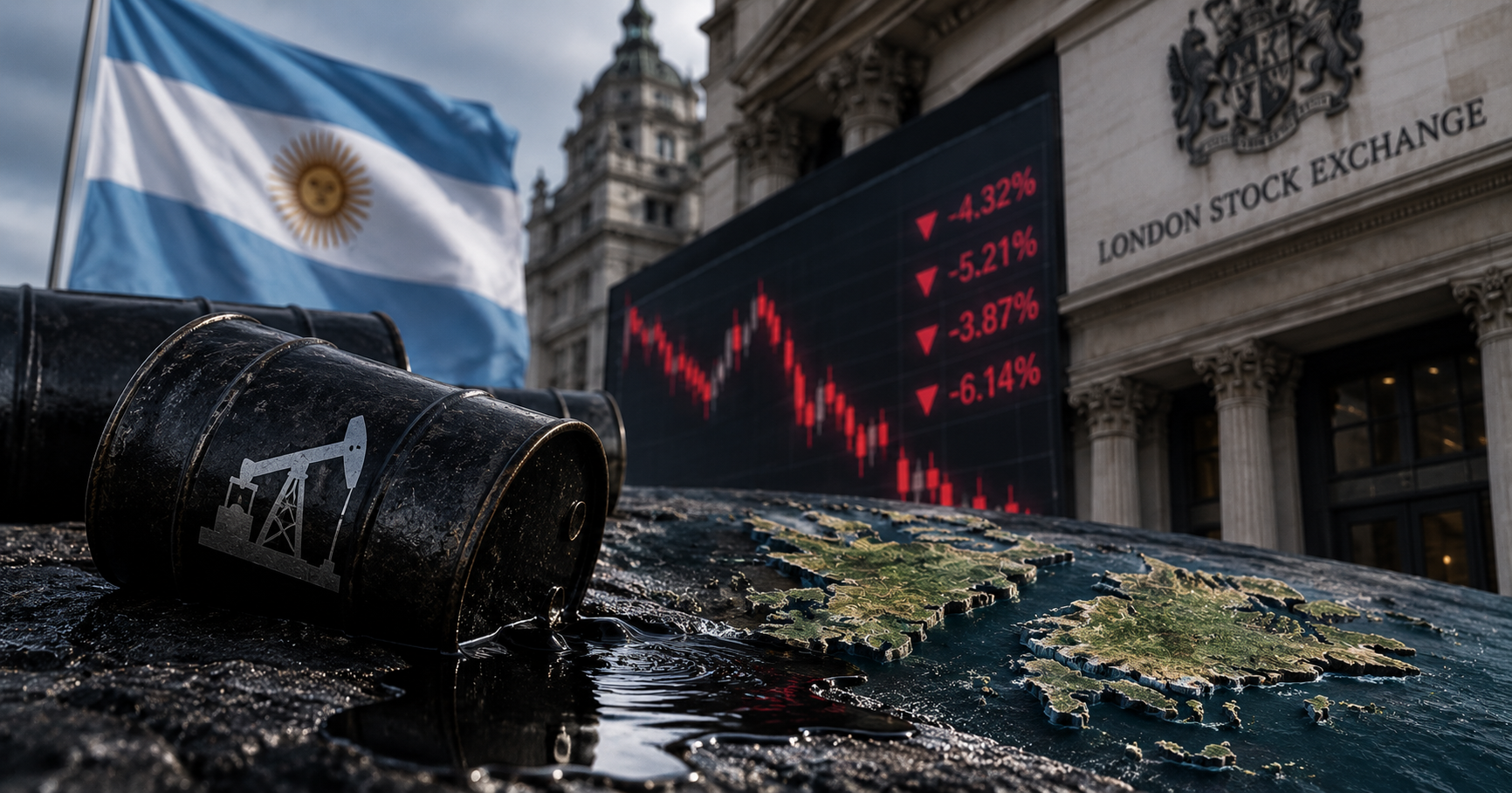
According to Bloomberg Línea, shares of British oil company Rockhopper Exploration fell more than 6% on the London Stock Exchange on Friday, September 4, 2026. The decline followed an announcement by Argentine President Javier Milei of tougher sanctions against companies linked to hydrocarbon exploration in the Islas Malvinas.
The presidential announcement, made Thursday night in a nationwide broadcast, provides for a decree to speed up the sanctions procedures set out in Law 26.659. The Argentine government seeks to bar companies and suppliers that take part in projects on the islands without authorization from Buenos Aires from operating in its mainland territory. According to Clarín, when trading opened on Friday, Rockhopper shares plunged 10% in London, while shares of Israel's Navitas Petroleum fell 2% on the Tel Aviv market.
In the first hours of trading, Rockhopper's share price was down 6.5%, and it stood at a 6.28% decline when the company issued a statement to the market, according to data from Bloomberg Línea. The affected firms played down the impact of Argentina's sovereign measure. Navitas, which holds 65% of the Sea Lion oil project against Rockhopper's 35%, said operations continue under valid licenses granted by the Government of the Falkland Islands and backed by the United Kingdom, and that it does not expect a material effect on the development schedule.
Argentina's tougher regulatory stance seeks to raise the cost of operating on the islands by prohibiting contracts with the public and private sectors on the mainland. Even so, analysts around the world are closely watching how effective such pressure will be against British backing, and whether the Sea Lion project remains viable. According to a BBC Mundo report, the Argentine president delivered this assertive speech convinced that a possible change in the position of the U.S. could strengthen his country's position over the archipelago.