News
Wall Street closes lower after the Federal Reserve's first rate hike in three years
New York's stock exchange closed lower on Wednesday, September 16, 2026.
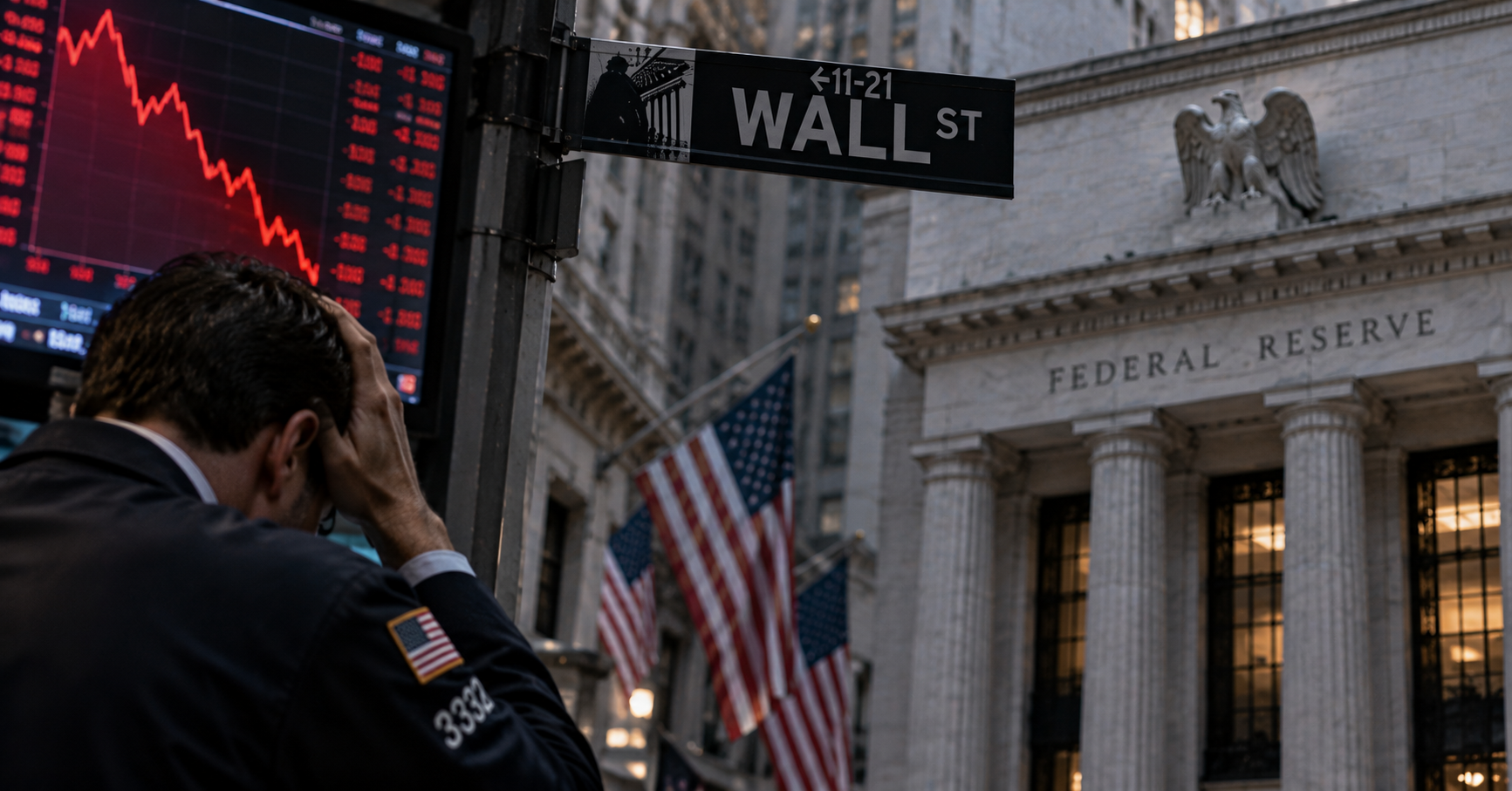
New York's stock exchange closed lower on Wednesday, September 16, 2026. The Dow Jones Industrial Average fell 1.2%, while the broader S&P 500 dropped 0.45% and the technology-heavy Nasdaq slipped 0.01%. The decline followed immediately after the U.S. Federal Reserve (Fed) announced an increase in its benchmark interest rates.
The decision by the U.S. central bank, taken unanimously, raised the target range for interest rates to between 3.75% and 4%, an increase of a quarter of a percentage point. According to the Spanish newspaper Expansión, the move aims to contain persistent inflationary pressures and speed the return to the official inflation target of 2% a year. Tighter monetary policy raises the cost of money, a mechanism designed to cool aggregate demand but which, at the same time, increases financing costs for businesses and households.
The Fed's announcement triggered a rapid repricing of global financial assets. In the fixed-income market, the yield on the 10-year U.S. Treasury bond rose to 5%, its highest level since July 2007, while the 30-year bond stood at 5.35%. Meanwhile, the energy sector led losses on the trading day, falling 2.97%, followed by the financial sector, which dropped 1.6%. By contrast, the technology sector posted a marginal gain of 0.1%. Oil prices also felt the impact: according to data from OilPrice, Brent crude for November delivery fell 2.88% and WTI for October declined 3.33%.
Higher interest rates in the world's largest economy have a direct transmission effect on developing countries, particularly in Latin America. As yields on U.S. Treasury bonds, considered the safest assets in the world, rise, global capital tends to leave emerging markets in search of a safe haven in the north. This generates devaluation pressure on local currencies and forces central banks in the region to keep their own rates high to prevent capital flight, which makes domestic credit for consumption and productive investment more expensive.
In the coming months, analysts and policymakers will need to watch closely the pace of future Fed decisions, as the central bank has already suggested the possibility of an additional increase before the end of the year. A persistent environment of high rates will extend the pressure on the public budgets of debtor countries, limiting their fiscal room to sustain development and social protection programs.