News
Warren Buffett sells stocks and retreats to cash amid US trade uncertainty
The celebrated investor Warren Buffett, chief executive of Berkshire Hathaway, has taken a markedly defensive stance in financial markets.
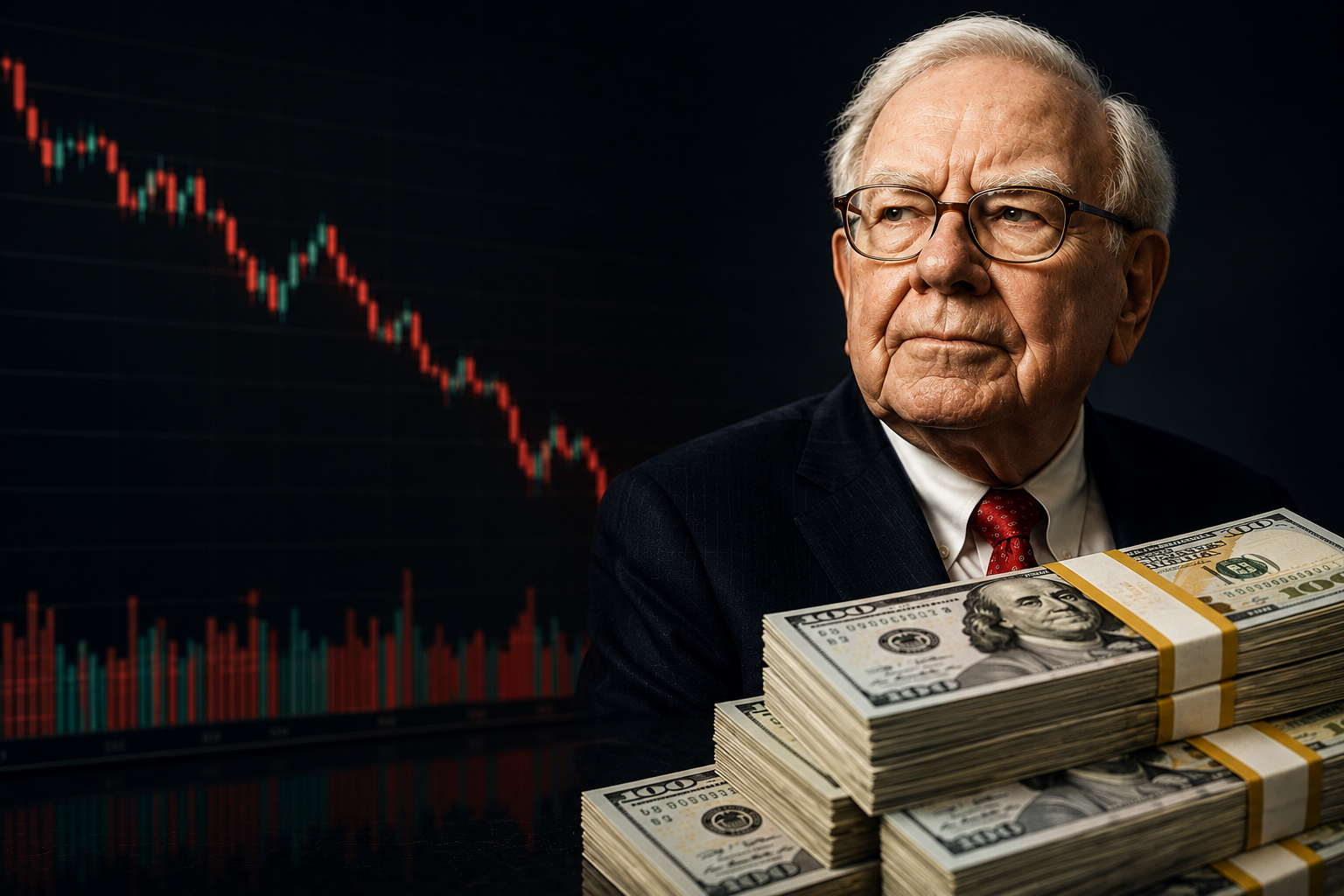
The celebrated investor Warren Buffett, chief executive of Berkshire Hathaway, has taken a markedly defensive stance in financial markets. According to a report published by the portal Banca y Negocios on September 3, 2026, the magnate's firm sold $134 billion in stocks over the past year. That figure represents a dramatic increase from the $34 billion in stocks sold throughout 2023, consolidating a trend of divestment from equities.
Rather than redeploying these funds into the stock market, the company has accumulated $334 billion in cash and holds another $286.5 billion in U.S. Treasury bonds. This shift toward low-risk assets reflects a capital preservation strategy. In financial practice, when large funds build up liquidity on a massive scale, they send a warning signal: they consider stocks overvalued and prefer to wait for a market correction in order to buy again at lower prices.
This extreme caution coincides with a climate of high trade and regulatory uncertainty in the United States. According to analyses published by Folha de S.Paulo, the imposition of unilateral tariffs on imports has raised operating costs for companies and triggered trade retaliation, which in turn feeds fears of a resurgence of inflation. Growing friction with strategic partners, such as the recent stalling of trade negotiations with Canada, adds volatility to an environment in which the rules of the global game appear to be weakening.
While flashpoints of geopolitical tension and energy conflicts in various regions of the world contribute to the overall climate of instability, financial analysts agree that Buffett's strategy responds primarily to structural factors internal to the U.S. market. It is not a direct reaction to an isolated geopolitical event, but rather a long-term reading of the risks accumulated in a highly interconnected global economy.
For the average citizen, this retreat of large pools of capital into cash has direct implications. When the world's largest corporations choose to freeze their funds in liquid assets instead of financing new projects, productive investment slows. Over the medium term, this lack of dynamism in the real economy typically translates into fewer jobs created, stagnant wages, and more restrictive credit conditions for families and small businesses.